


Note About Our Images
The images shown on this website are AI-generated and fictional. They are for illustrative purposes only and do not necessarily reflect reality.
But let’s be honest: the best way to experience a city is with your own eyes anyway!
Hop on board, discover the city for yourself, and enjoy the most beautiful sights on one of our city tours.
We look forward to welcoming you soon aboard one of our CityTour buses!
The Citybus in Bonn invites passengers on a diverse journey through cultural highlights, historic sites, and green retreats. At each stop, history, music, and science come together to create a unique urban experience. One of the central stops is the Beethoven House, the home and birthplace of the famous composer, whose exhibition offers insights into his life, letters, and original manuscripts. From there, you can easily reach the Bonner Münster stop, an imposing cathedral with a striking spire that reflects not only religious significance but also architectural history. Right next to it lies the area surrounding the Electoral Palace in Bonn, whose magnificent façade reflects the city’s political heritage and is now used for exhibitions and events. The route also leads to the Bonn Museum Mile, a cluster of important museums along the Rhine, where art, archaeology, and contemporary history can be explored in buildings situated close together; the Citybus stops here several times so that visitors can move flexibly between the Art Museum, the Rheinisches Landesmuseum, and the Haus der Geschichte. Nature lovers should get off at the Bonn Botanical Garden, a sprawling complex with greenhouses, tropical plantings, and peaceful paths—ideal for a relaxing stroll among the university’s exhibits. Each of these attractions also serves as a bus stop, allowing tourists to enjoy a compact, well-connected journey of discovery through Bonn.
Table of Contents
- Old City Hall, Bonn
- Friedensplatz
- Nussallee and Poppelsdorf Castle
- Bonn Museum Mile
- Bad Godesberg Attractions
- The banks of the Rhine in Bonn
- Kennedyallee and the Rhine Meadows
- World Conference Center Bonn (WCCB)
- Adenauerallee and the König Museum
- Rheingasse and Brassert Ufer
- FAQ
- Sights in Bonn
- Economy in Bonn
- History of Bonn
- Links to Bonn

Old City Hall in Bonn – A Baroque Landmark on Bonn’s Market Square
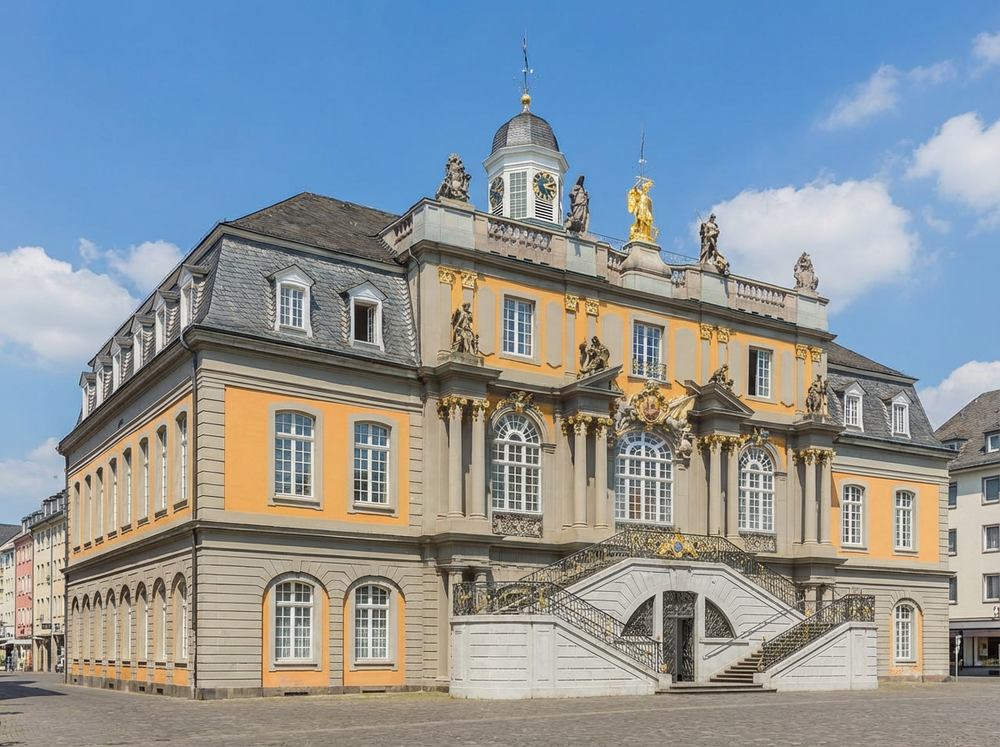
The Old Town Hall in Bonn —a Baroque landmark on the market square—is more than just an old building: It tells the story of a city that celebrated the Baroque style in the 18th century as an expression of civic self-assertion. The façade impresses with its warm sandstone tones, rich ornamentation, and clear symmetry, which define the appearance of the market square. Behind the facade lies a magnificent interior featuring staircases, ceiling paintings, and coats of arms—testaments to council meetings, ceremonial events, and the daily lives of Bonn’s residents. For centuries, the Market Square, the lively heart of the Old Town, was the site of trade, debates, and festive gatherings; the forecourt served as the center of civic life, hosting festivals, weekly markets, and farewell celebrations year after year. Its location in the heart of Bonn makes the building an anchor of the city’s identity: Visitors immediately recognize how history and the present are interwoven when the sound of street music fills the square. The architectural design bears witness to the artistry of the master builders, who used balustrades, sandstone elements, and a striking clock tower to make the complex soar toward the sky. Today, Bonn City Hall continues to serve as the seat of government, yet its function extends far beyond official business: cultural events, exhibitions, and civic life take place here, transforming the site into a vibrant backdrop that evokes the past while simultaneously reflecting the present. Those exploring Bonn will discover a blend of history and everyday life at the market square, while the building endures as a Baroque landmark. Here, Baroque elements and the bustle of the marketcan be experienced at a glance. City Hall and the city center remain closely connected, serving as a reminder of how Bonn continues to evolve along this historic axis. For travelers who want to discover more, a city tour on the Citybus is ideal; it serves central stops in Bonn’s downtown, thereby bridging the Old Town’s culture, the Museum Mile, and the Rhine Quarter; thus blending history, the present, and the urban lifestyle into an impressive Bonn sightseeing experience.
Marketplace, downtown, and nearby attractions
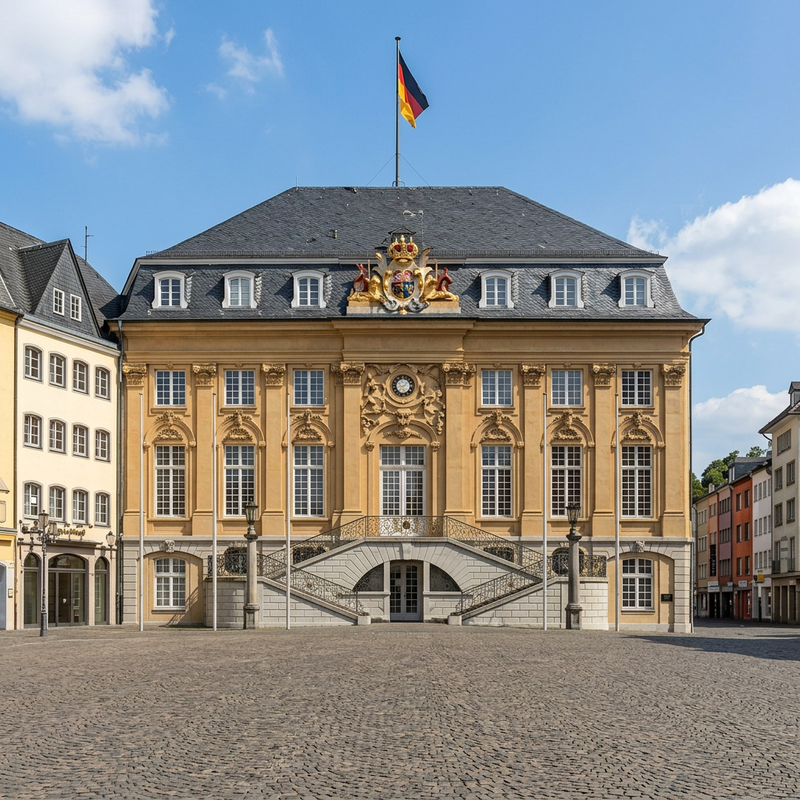
The market square forms the heart of downtown Bonn and serves as the perfect starting point for exploring historic buildings, cozy cafés, and lively streets. Here stands the Old City Hall of Bonn —a Baroque landmark on the market square—whose façade tells stories spanning centuries. From here, a short stroll through the Old Town leads to other highlights: The Beethoven House commemorates the musical genius who made Bonn world-famous, while the nearby Hofgarten offers a green oasis where you can take a break. Not far away, sightlines open up to the imposing Bonn Cathedral, whose towers dominate the cityscape, and to the Museum Mile, which combines art and history in a compact setting. The Citybus lines connect the Market Square, Münsterplatz, and the main train station, allowing for flexible planning of walking tours. Along the route, you’ll encounter elegant facades, historic squares, and hidden courtyards that reveal the city’s charm. If you have time, you should also take a walk through the Hofgarten to the university to experience that seamless transition from history to the present. Bonn thus presents itself as a compact, vibrant scene straddling tradition and modern life. With every step, you’ll discover details on facades, in squares, and in courtyards that reflect the city’s diversity. Citybus stops make it easier for locals to find their way around today.
History and Architecture of the Old City Hall
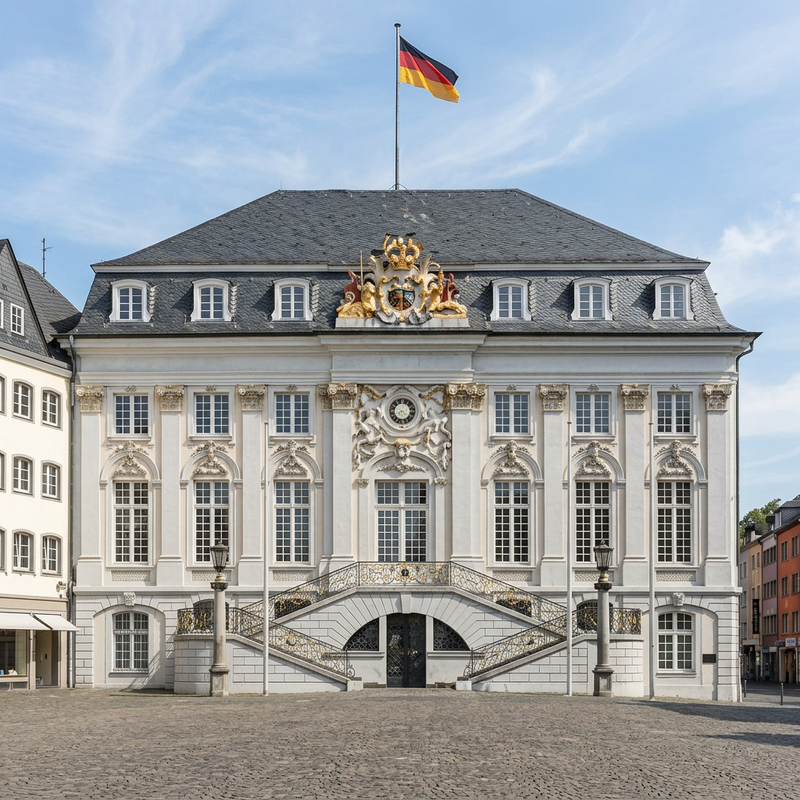
The OldCityHall in Bonn’s Markt square is one of the most striking buildings in the cityscape. It stands as a symbol of the interplay between history, politics, and artistic design during the Baroque era, which shaped public life in Bonn. The façade features a clear structure with rhythmic window arrangements, a striking projection, and delicate decorative elements that reflect traditional craftsmanship. Above the portal towers a richly ornamented pediment, whose statuettes and reliefs shed light on the ceremonial culture of the city council of that era. Inside, wooden elements, stucco, and colorful paintings convey the character of Baroque splendor without appearing overloaded. For a long time, the rooms served as the council’s meeting and administrative headquarters; today, cultural events are held here. The reconstruction following the destruction during World War II preserved the city’s layout and silhouette, while restored windows and doors reveal the original craftsmanship. Visitors can experience the staircases, the inner courtyard, and the distinctive entrance door, which bring Bonn’s historic heart to life. The Baroque era and the gable reliefs evoke a time when the city grew with confidence and invite visitors to linger. Its location on the market square makes City Hall a gathering place for visitors, students, and families. For centuries, it has set the rhythm of the neighborhood, where markets, festivals, and official ceremonies foster encounters, exchange, and a sense of civic identity. It remains a major attraction for both locals and visitors.
Friedensplatz – An urban hub between City Hall and the Stadthaus in Bonn
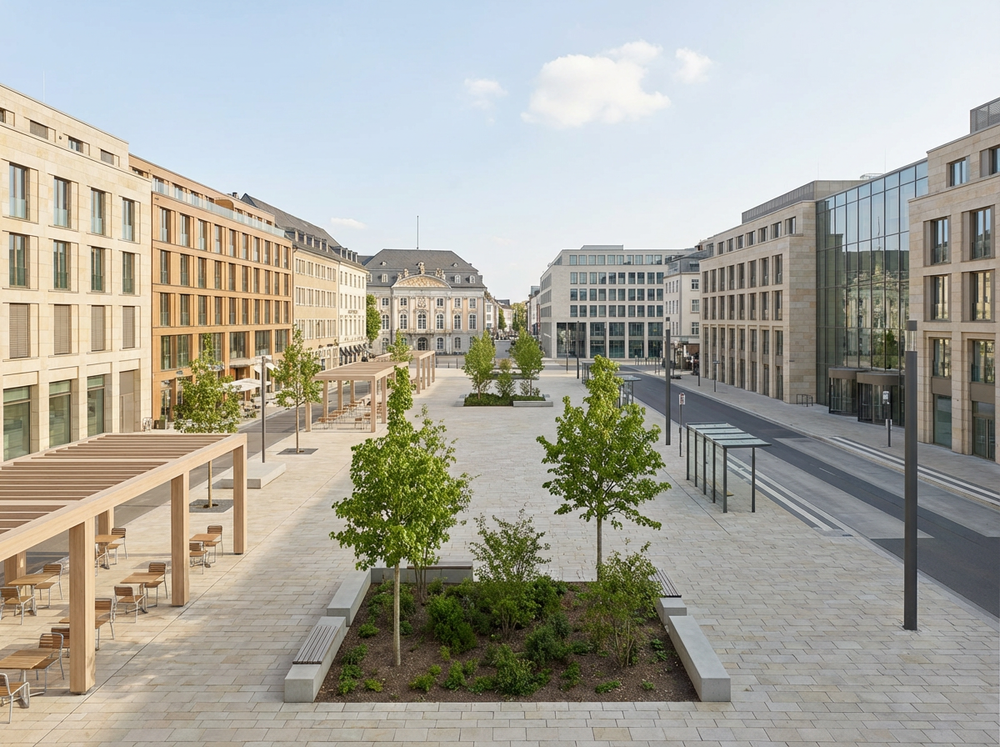
Friedensplatz serves as the central hub of Bonn’s downtown, where history, the present, and mobility converge along a clearly defined urban axis. Stretching between City Hall and the Stadthaus, the square serves as an open forum, framed by trees, pergolas, cafés, and seating areas. Here, café-goers mingle with commuters, students with families, and tourists with residents; everyone finds short distances, information, and spontaneous inspiration. The design blends historical character with modern transparency: bright, gleaming natural stone facades stand alongside warm wood laminate, while glass roofs capture the light and create a friendly, inviting atmosphere. The quiet of the morning soon gives way to the lively rhythm of the afternoon, when bus routes and bike paths use the square as a bridge to neighboring neighborhoods. On the morning of the weekly market, the square presents a rich array of regional products, flowers, and local specialties; in the evening, open spaces and staircases transform into small performance venues where street performers, musicians, and storytellers create ever-changing moods. Friedensplatz serves as a hub: From here, destinations in the city center are easily accessible, while the square also offers a concentrated view of culture, government, and commerce. Visitors appreciate the balance between quiet moments in the shade of the trees and the dynamic bustle of the city, which is carried forward by the nearby transit stops and Citybus routes. Anyone who wants to experience Bonn in all its diversity will discover here a compact history of urban encounters that combines sustainable design, accessible entry points, and social openness without losing any of its authenticity—thus making Friedensplatz a vibrant symbol of community, exchange, and the future. The square also invites visitors to take short walks, features murals depicting the city’s history, and offers striking views of the surrounding green spaces. Children play in small areas, seniors relax on shaded benches, and while summer events fill the air with music, the atmosphere remains calm, safe, and welcoming for all visitors. And it remains friendly.
Shopping, Markets, and Events at Friedensplatz
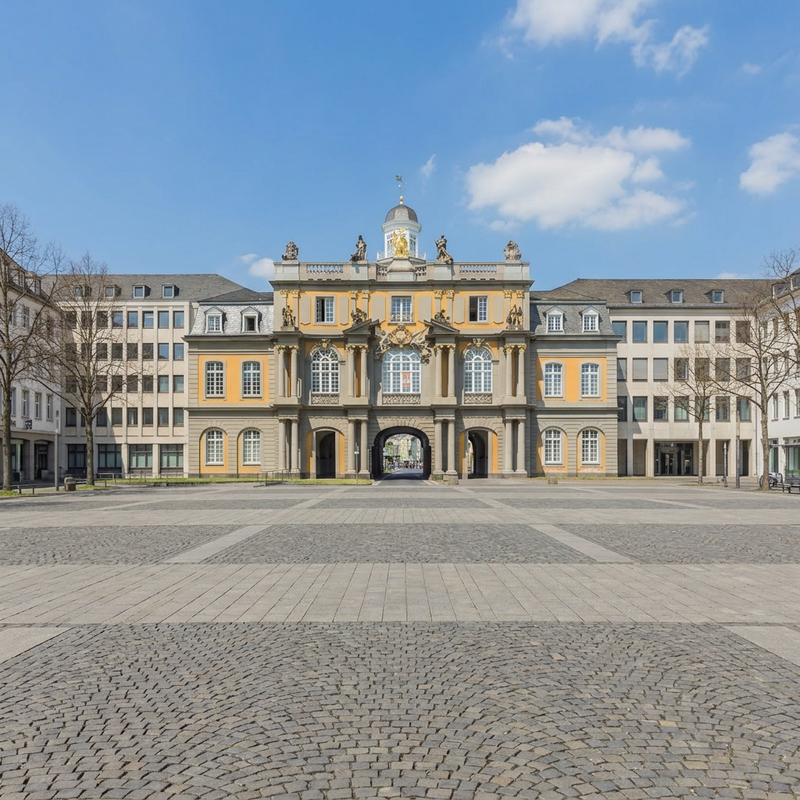
Friedensplatz is the vibrant heart of downtown, where shopping, markets, and events shape city life. Between City Hall and the Stadthaus, a lively everyday scene unfolds where visitors can stroll at their leisure, discover cafés and boutiques, and sample regional delicacies. Every day, small vendors on the square invite visitors to browse, while the neighboring market offers fresh produce, flowers, and specialties during the week. On weekends, stages, booths, and Move tables transform the area into a down-to-earth event scene where music, children’s programs, and street food draw the crowds. Strengthening the local scene is the main focus here, but urban initiatives from the city administration also ensure a varied program. Those specifically looking for special treasures will find handmade candles, regional cheeses, and fresh baked goods at the stalls—perfect to take home. Public transportation, especially the Citybus, connects the stops around Friedensplatz, making the area an ideal starting point for exploration. Those who wish to linger here a bit longer can admire the surrounding architecture, enjoy a cup of coffee, and have relaxed conversations before the hustle and bustle picks up again. In addition, small stops invite visitors to explore, while local art installations, spontaneous conversations, and family-friendly activities enrich the experience. This keeps the square lively and inviting.
From a historic square to a modern administrative center
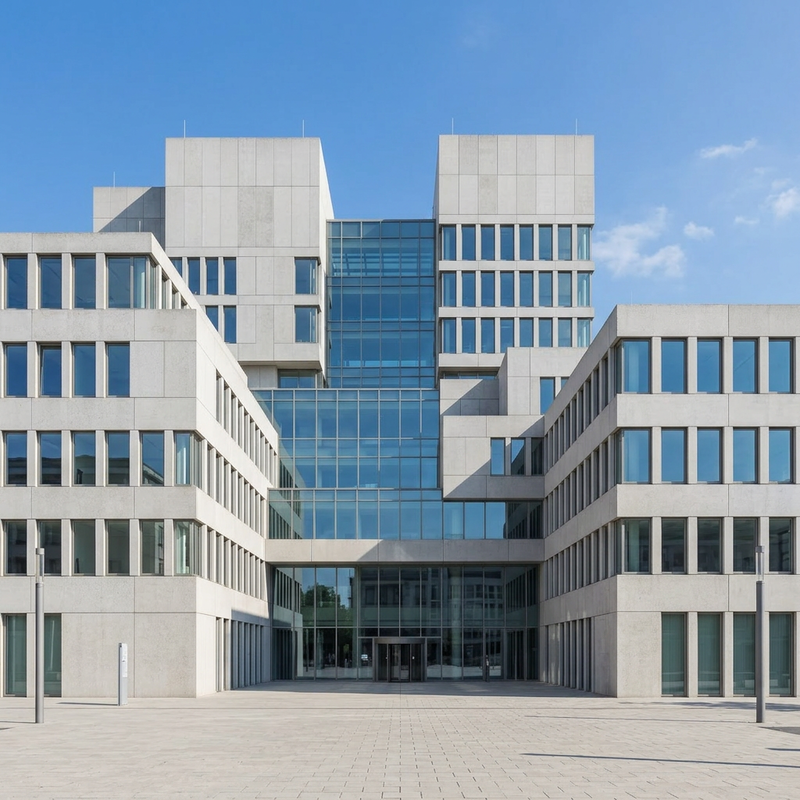
From a historic square to a contemporary administrative center: Friedensplatz is more than just a landmark between the old market square and the new city hall. It was once a gathering place for &citizens; today, the square serves as the urban hub where government agencies, &citizen services, and cultural institutions work together. During the day, commuters stream along wide sidewalks; in the evening, building facades are bathed in warm light, and children play in safe areas. The redevelopment has thoughtfully expanded the architecture: historic architectural elements evoke the past, while new structures—including the city hall, municipal office, and administrative functions—are unified through the use of light-colored materials. The redesign prioritizes accessibility, sustainability, and quality of life, ensuring that the space remains not just an office location but a living environment. As a hub, Friedensplatz serves as a networking center: From here, paths lead to public transportation, including the Citybus, which takes visitors to museums, gardens, and squares. As a result, the administrative center is more than a symbol of government function—it is an open, transparent space that, located near City Hall, brings together services, civic participation, and new encounters. In this way, the city’s history and modern administration merge into a coherent identity that makes Bonn visible and inspires. This transformation serves as a reminder of how squares carry stories and how administrations shape the rhythm of a city’s life in a lasting way. For visitors, Bonn remains a place that can be experienced time and again.
Nussallee and Poppelsdorf Palace – Bonn’s University District with the Charm of Tree-Lined Avenues
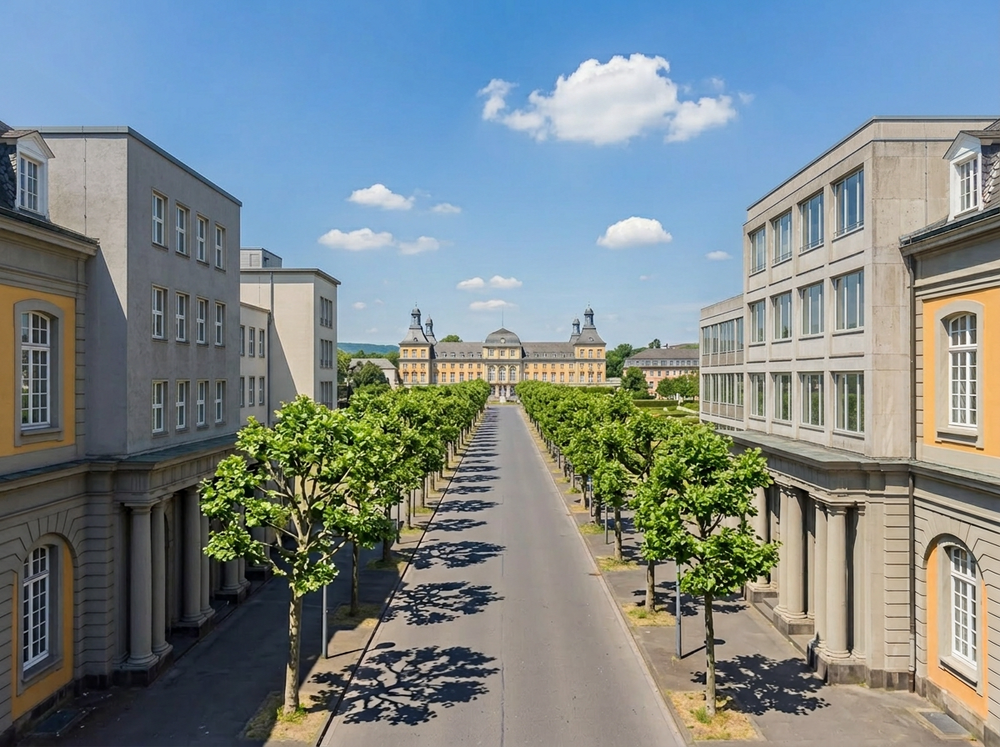
In the Bonn section around Nussallee and Poppelsdorf Castle, the University Quarter unfolds as an oasis of tree-lined charm, where academia, history, and lifestyle harmoniously coexist. The street runs in a straight line flanked by rows of trees, whose shadows gently brush the facades of the libraries and draw the eye toward green courtyards. The Citybus connects this setting to the city center, the museums, and the university buildings, allowing visitors to move quickly—yet without rushing—between libraries, lecture halls, and street cafés. Nussallee, a tree-lined avenue with majestic trees, leads the way to Poppelsdorf Palace, which today houses parts of the university library and also serves as a magnificent example of Baroque architecture. The façade, a testament to centuries of use, is further enhanced by the tranquil riverside setting of the nearby university buildings, while birdsong and the rustling foliage cultivate a sense of time. Here, visitors experience a harmonious blend of academic culture and natural serenity: Streetlights illuminate conversations in front of department buildings, students hurry down the avenue, and along the paths, informational signs recount the castle’s history. The blend of campus life and Baroque charm makes the neighborhood a captivating place for a leisurely exploration on foot or by public transit: The Citybus stops at stations leading to university buildings, parks, and monuments. Those who linger here sense the special “Bonn feeling”: a growing, carefully cultivated blend of science, art, and nature, where every conversation offers space for ideas. This shift in perspective brings Bonn to life: the avenue, the palace, and the campus become places of exchange—of ideas and an understanding of science as a way of life.
University of Bonn, Goldfuß Museum, and Academic Life
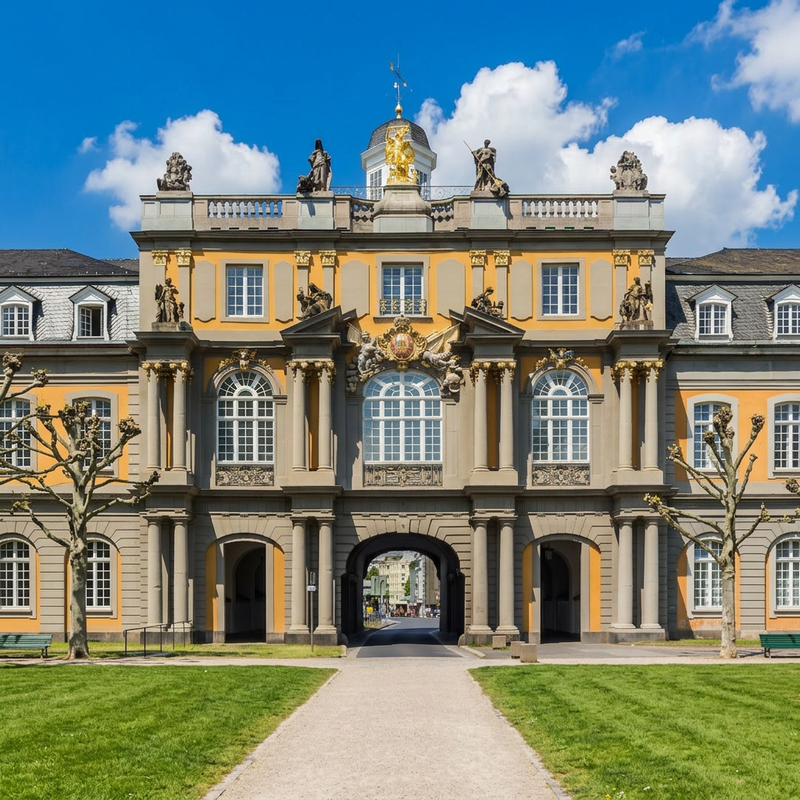
Located in the heart of Bonn, the University of Bonn offers more than just academia: it fosters a vibrant sense of community. Surrounding the campus are institutes, libraries, and plazas where students study and conduct research together every day. Just a few steps away lies the Goldfuß Museum, whose natural history collections inspire scientific news, seminars, and field trips. The grounds form the heart of the university district, which fosters its own unique learning culture with tree-lined avenues, cafes, and historic buildings. Here, lectures are combined with discussions on current research topics, ranging from biology and geology to the digital humanities. The proximity to Poppelsdorf Palace evokes long-standing academic traditions and creates a place where teaching and culture merge. Students find spaces for independent study, mentoring programs, and student initiatives that foster academic life. In addition to courses, colloquia, field trips, and internships shape everyday student life. The city of Bonn itself offers structures that are flexible for university life: libraries, museums, and parks complement learning outside the lecture halls. Thus, studying at the University of Bonn becomes a holistic experience in which knowledge, research, and real-life experiences grow together and leave a lasting impact. The exchange between faculty, students, and the regional academic community makes Bonn a place where ideas emerge, networks grow, and talented individuals develop shared perspectives. Bonn remains an inspiring place for both researchers and students.
Poppelsdorf Castle and the University of Bonn's Botanical Gardens
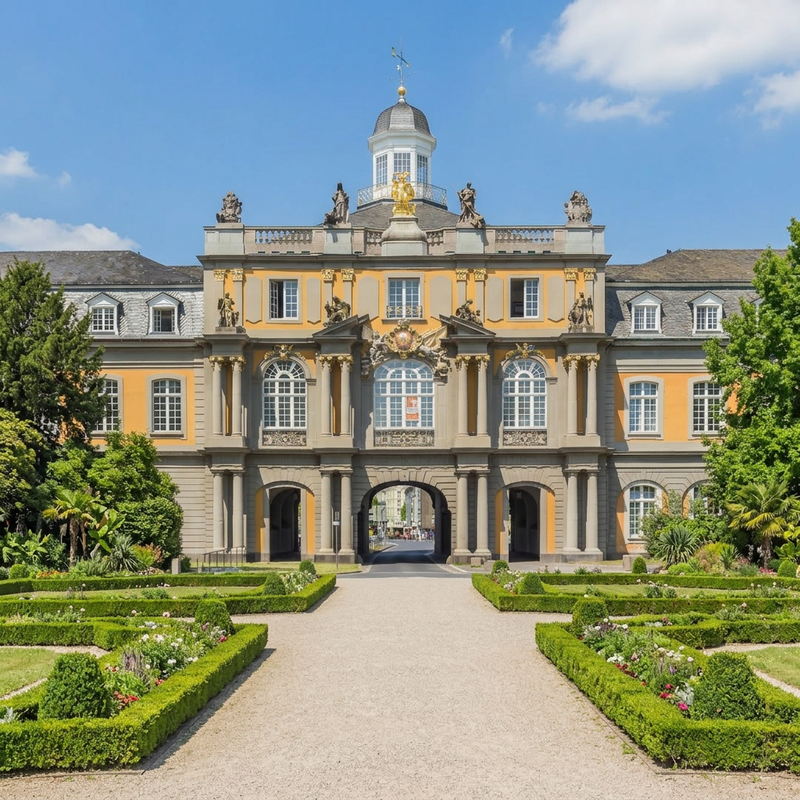
A visit to Poppelsdorf Palace and the University of Bonn’sBotanical Garden invites you to discover Bonn in a relaxed, green atmosphere. Together with the university district, the palace symbolizes a blend of history and the present. The Baroque façade conveys the significance of research, teaching, and everyday campus life; behind it lies a peaceful tree-lined avenue and a garden-like setting that offers visitors a fresh perspective. There are various ways to get there; the Citybus is particularly well-suited for excursions. The bus stops around the area connect the palace, the garden, and the vibrant university district into a convenient loop. The surrounding area features a mix of historic buildings, cafés, and green courtyards, so that every step sparks curiosity. In the Botanical Garden, you’ll encounter native species, exotic greenhouses, and still water that soothes the senses. The interplay of science, architecture, and nature makes this place a cornerstone of Bonn’s identity. A visit here illustrates how education and quality of life go hand in hand. Visitors also experience the site as a window into the city’s scientific culture: research, teaching, and leisure merge into a journey of discovery. Those with time to spare can enjoy the garden world beyond the gates, discover plants, and soak up the atmosphere of the Bonn campus.
Bonn Museum Mile – Art, History, and Science on the Rhine in Bonn
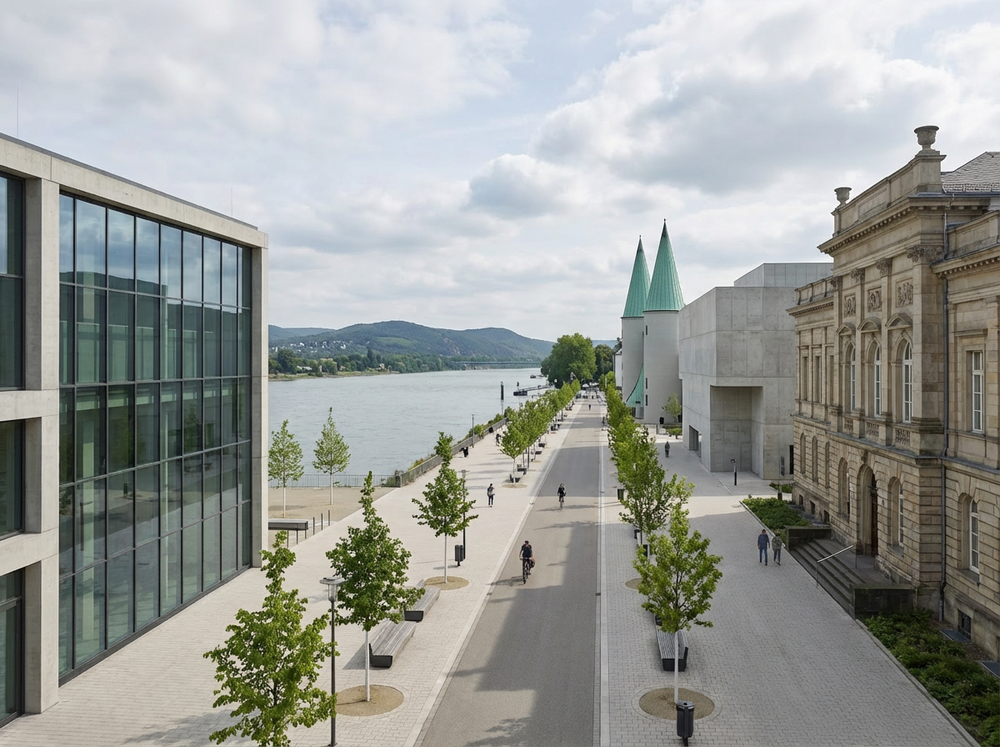
Bonn’s Museum Mile on the Rhine combines art, history, and science into a compact, walkable route that delights locals and visitors to the region alike. Where the humanities and natural sciences converge, a new perspective on Germany emerges—one in which the past, present, and future are interwoven. Highlights include the Haus der Geschichte, which brings postwar political developments to life in a vivid, interactive, and often emotional way, as well as the Bundeskunsthalle, which invites visitors to engage in inspiring dialogues through its rotating exhibitions on art, design, and cultural history. Right next door is the Kunstmuseum Bonn, whose collection—spanning from modernism to the present—bridges regional identity and the international avant-garde. Further west, the Koenig Museum of Natural History offers unique insights into biology, evolutionary research, and demographic patterns, complemented by interactive stations that are sure to amaze families in particular. Those exploring the Museum Mile by city bus can easily reach stops such as the central Heussallee/Museumsmeile line, where many routes converge, or stops near the Rhine, which invite visitors to take a leisurely stroll between exhibitions. Here, visitors experience a rich, interdisciplinary perspective: from historical sources and artistic reflections to historical and contemporary scientific discourses that spark curiosity and deepen our understanding of our cultural landscape. This compact, family-friendly route makes exploration tangible, rewarding, and memorable—an invitation to get to know Bonn in all its facets and discover connections that transcend individual disciplines. The walking tour can easily be combined with lunch on the riverbank; and after the tour, small galleries, restaurants, and cafés along the riverside promenade offer further discoveries. The blend of visual arts, historical documents, and scientific research makes Bonn a particularly appealing place for learning and culture, and its proximity to the Rhine creates a relaxed atmosphere that enhances the experience of the exhibitions. If you have more time, plan on spending two to three hours at each stop to enjoy the exhibitions at a leisurely pace, take in the details, and inspire both young people and adults alike.
Museum Mile as a Destination: Architecture, Events, and How to Get There
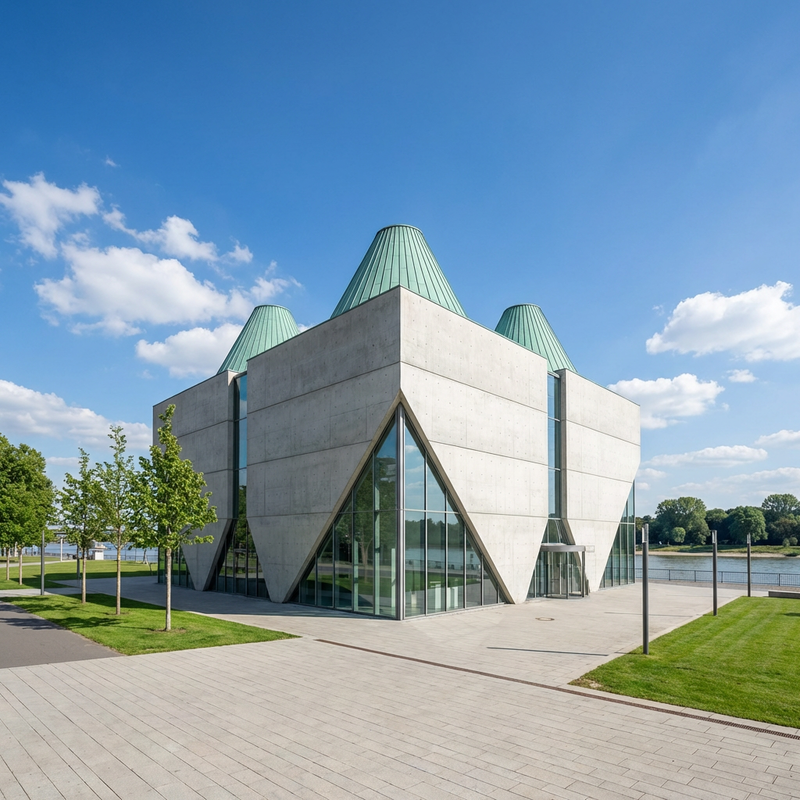
The Bonn Museum Mile presents itself as an experiential space where architecture, science, and contemporary art merge into an interconnected whole. Along the banks of the Rhine, a compact route unfolds, featuring architectural landmarks, light-filled halls, and sculptural forms that reflect the essence of the city. The centerpiece of the complex, the Kunstmuseum Bonn, sets new standards for contemporary art with its clean geometry and minimalist aesthetic, while other buildings reveal hidden courtyards and historic facades. Here, visitors experience firsthand how architecture shapes spaces, guides the flow of visitors, and opens up new perspectives on art, nature, and history. In the evening, sections of the route transform into a cultural compass: gentle sound installations, lectures, guided tours, and interactive formats make events an integral part of the experience. Getting there is easy: From downtown, clearly marked paths as well as bus and train connections lead directly to the stop in front of the museum; along the Rhine, picnic areas and walking paths invite you to wind down the day on the Museum Mile in style. Plan your visit so that you have time for several stops, as each one tells a unique story of Bonn’s museum scene.
House of History, Bundeskunsthalle, and Kunstmuseum Bonn
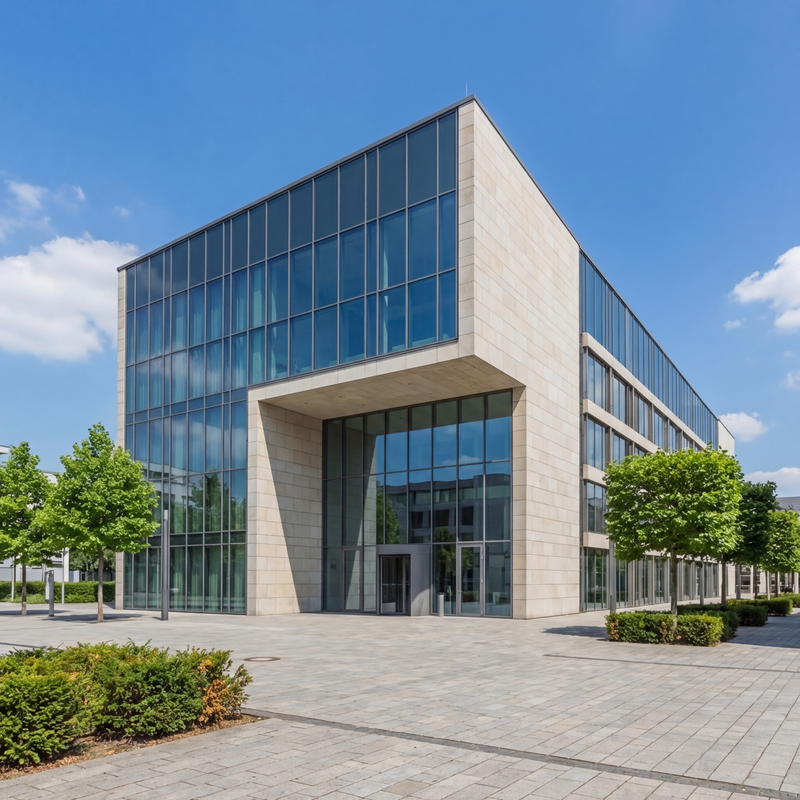
The Haus der Geschichte serves as the centerpiece of Bonn’s Museum Mile: there, the development of postwar German history, everyday culture, and political debates come to life through vivid narratives. Across the street, the Bundeskunsthalle regularly hosts rotating exhibitions on contemporary art, design, and historical contexts that spark debate and connect different eras. At the Kunstmuseum Bonn, visitors enter a collection of contemporary art that simultaneously offers perspectives on regional history and reveals connections to global trends. The three institutions form a cohesive unit within Bonn’s Museum Mile, which captivates visitors along the banks of the Rhine through constant change. Together, their programs, publications, and courses invite visitors to understand democracy, culture, and science in all their complexity. Between the museum buildings, you’ll find street cafés, green oases, as well as offices and shops that round out a leisurely stroll through Bonn. From here, there are easy connections to other Citybus stops, allowing visitors to comfortably explore the city’s museum landscape. Its focus on the Rhine and regional history makes Bonn a vibrant place of learning for families, schools, and travelers seeking more than just a fleeting impression. A wide variety of architectural styles, glimpses into buildings, and exhibitions invite you to take a leisurely tour. In addition, guided tours, workshops, and child-friendly programs offer new perspectives on history, art, and science. Planning your visit helps you connect the highlights in a meaningful way and deepen your understanding.
Bad Godesberg Attractions – Kurfürstliche Zeile and Redoute Bonn
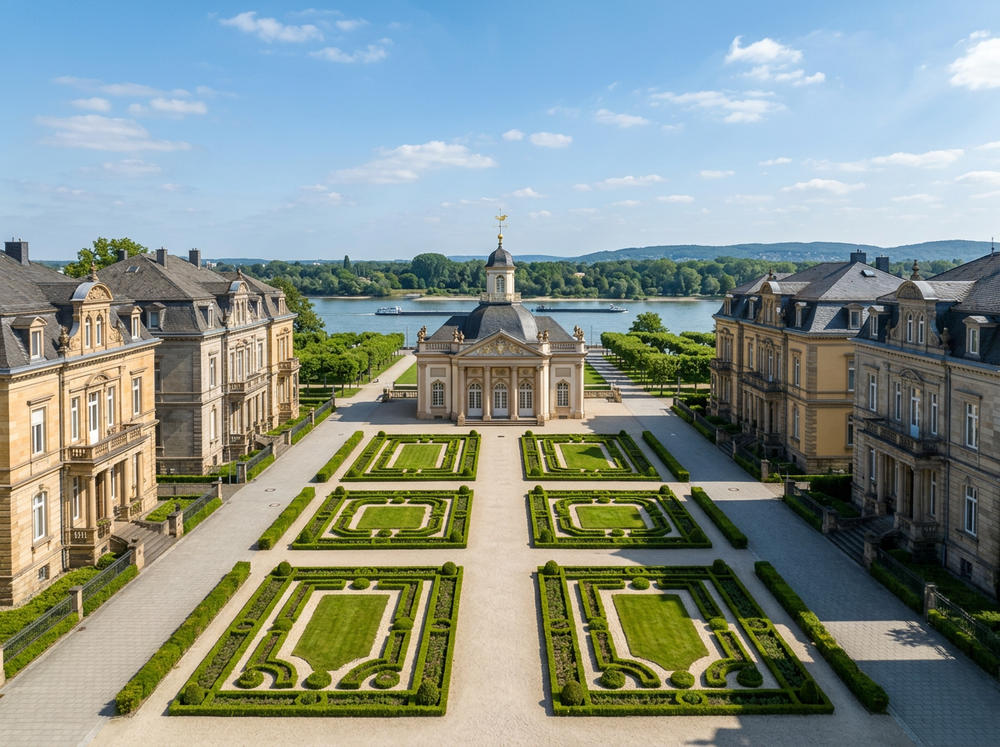
Although Bad Godesberg is part of Bonn, its attractions tell a story of their own, transporting visitors back to the elegance of bygone eras. Strolling along the Kurfürstliche Zeile, you walk along a historic promenade where magnificent villas, well-tended gardens, and striking buildings reflect the flair of the Electorate era. At the end of the path stands the Redoute, a striking pavilion from the Age of Enlightenment, whose façade is adorned with neoclassical accents and which today often serves as a venue for exhibitions, concerts, and cultural events. From the riverside promenade, a sweeping view of the Rhine opens up; the river’s course shapes the riverside landscape and occasionally allows visitors to quietly observe waterfowl. The buildings along the route form a delicate architectural mosaic that incorporates elements of the Neo-Renaissance and brings the region’s history to life. Visitors experience a harmony of nature, culture, and urban history: The Kurfürstliche Zeile offers insights into courtly history, while the Redoute provides a space for contemporary culture. It’s also worth taking a break at one of the street cafés to enjoy the ambiance of the riverside setting. Those with more time can discover additional architectural landmarks along the Kurfürstliche Zeile that are closely linked to the region’s heritage. A varied walking tour between the Kurfürstliche Zeile and the Redoute shows how history, architecture, and nature are harmoniously intertwined along Bonn’s waterfront. Such impressions linger in the memory and invite you to continue exploring this charming southern neighborhood.
The Spa Park, City Hall, and Modern Bad Godesberg
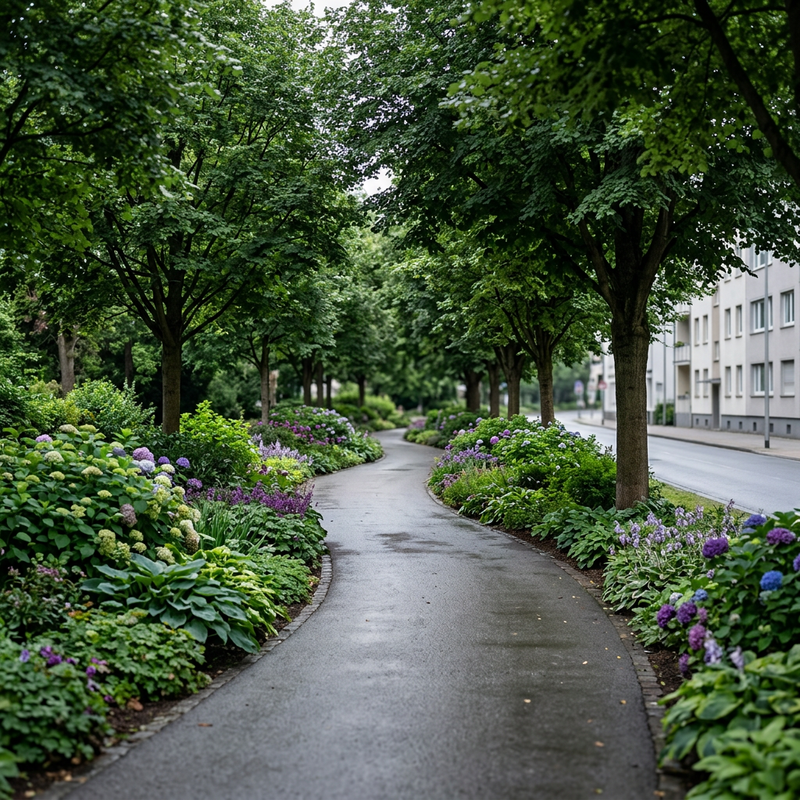
The Bad Godesberg Spa Park is a green oasis in the heart of the city, where quiet paths, blooming flower beds, and shady tree-lined walkways invite visitors to take leisurely strolls. From here, the Citybus takes you to the district’s most notable sights, but the park itself marks the first stop on a relaxing tour of discovery. Right next door stands the Kurfürstliche Zeile, a former royal promenade whose elegant facades now house boutiques, cafés, and culinary hotspots. Nearby is the Redoute, a historic courtyard that now combines event venues, outdoor art, and cultural events. The Bad Godesberg City Hall forms the vibrant heart of the modern district; concerts, conferences, and exhibitions take place here, blending literary experiences with live performances. Modern Bad Godesberg presents itself as a neighborhood that preserves tradition while simultaneously opening up new avenues for mobility, architecture, and quality of life. Anyone strolling through the Kurpark experiences a balance between nature and urban life, between tranquility and activity. As you continue toward the Stadthalle, you’ll see how urban development, culture, and recreation come together here. Bonn’s city center thus represents a vibrant chapter in the Bonn way of life, where history and the present flow together harmoniously.
Redoute and Kurfürstliche Zeile – Palace Architecture Surrounded by Greenery
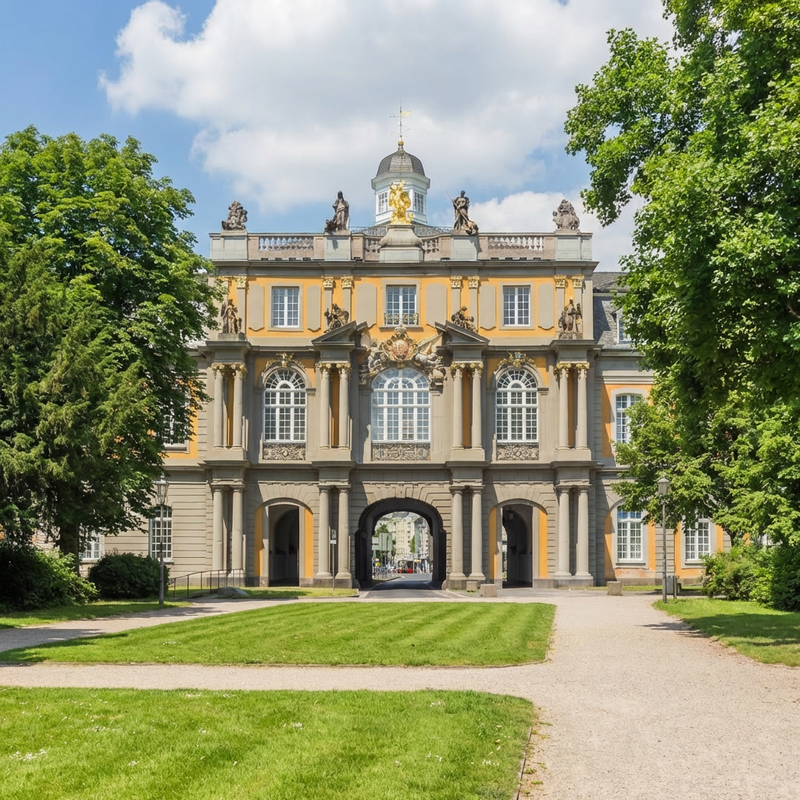
The Redoute and the Kurfürstliche Zeile together represent a striking example of the clarity of royal architectural design set amid Bonn’s greenery. In this ensemble, which blends seamlessly into the parkland, one encounters a style that unites history and nature. The Redoute serves as an elegant garden pavilion, whose balanced proportions, bright interiors, and delicate stucco ornamentation reflect the changing seasons in subtle nuances. Gentle axes lead from the avenue to sightlines across meadows and ponds, without disturbing the tranquility of the site. The Kurfürstliche Zeile presents a compact facade whose design translates Baroque basic forms into a contemporary lightness. Amid bridges, lawns, and arbors, a rhythm unfolds that interweaves interior and exterior spaces. Visitors thus experience how residential architecture in a green setting functions as a sustainable living environment: loggias, terraces, and staircases create connections that give rhythm to the overall picture. In short: the Redoute and the Kurfürstliche Zeile embody a style that harmoniously unites history, landscape, and private culture in Bonn. The sustainable maintenance of the grounds demonstrates how lightness, material selection, and the play of light create a lasting atmosphere. Here, visitors sense the dialogue between design and nature, which brings Bonn to life as a vibrant place with a rich historical heritage. In this way, the complex will remain accessible for generations to come.
The Rhine Riverbank in Bonn – Promenades, Panoramic Parks, and Ferries in Bonn
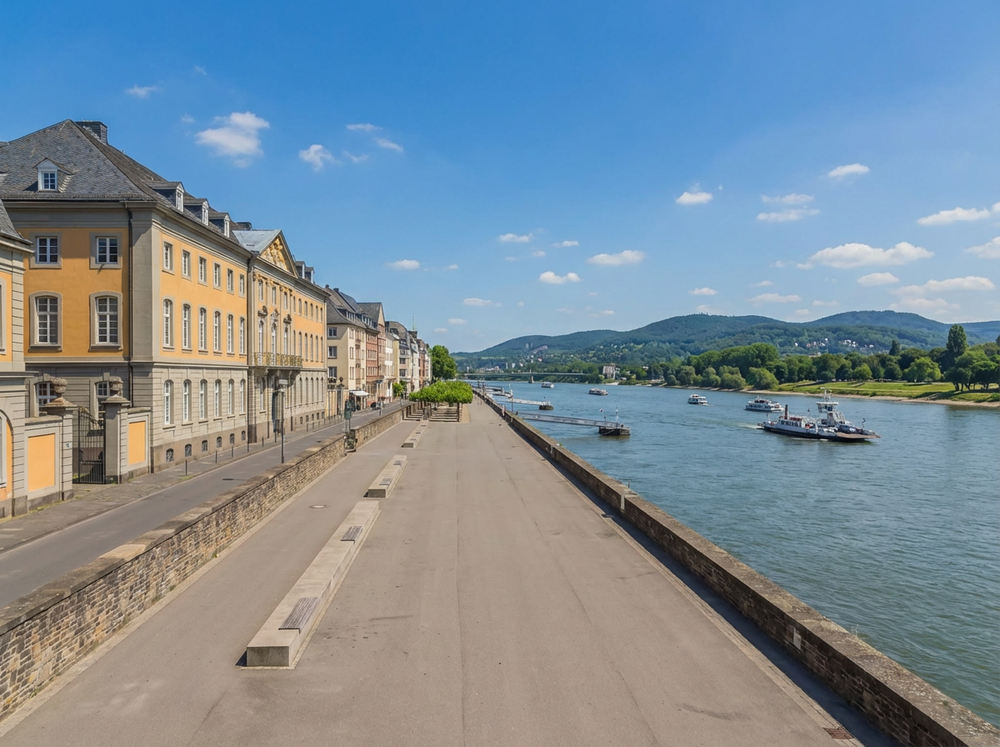
The banks of the Rhine in Bonn offer a harmonious blend of a promenade, a scenic park, and ferries that run regularly across the Rhine, connecting Bonn to the river. The flat riverside paths invite visitors to take long walks past historic buildings, cafés, and art installations, constantly revealing new views of the water and the Siebengebirge landscape. From the elevated vantage points of the Panorama Park, a sweeping panorama unfolds: boats glide gently by, while docks and green riverbanks form an idyllic backdrop. The promenade serves as the city’s vibrant lifeline: families gather for picnics, joggers run their laps, and musicians add their own touches here and there. Those who want to experience the Rhine from a different perspective can take the ferries, which run regularly in both directions and quickly transport passengers from Bonn’s city center to the waterfront or to towns on the opposite bank. The Rhine waterfront thus offers not only visual appeal but also practical connections: It connects cultural and natural spaces, the Old Town with the New Town, and enables short, spontaneous boat trips. In addition to classic viewpoints, events, street festivals, and impromptu art exhibitions regularly take place along the waterfront, making the area a lively gathering place. The Citybus conveniently connects these destinations, allowing visitors to move flexibly between the Rhine riverfront, the promenade, Panoramapark, and the ferries. In the evening, light installations transform the riverfront into an atmospheric setting where strolls, conversations, and music come to life. As a result, the Rhine riverbank becomes a multifaceted aspect of Bonn’s way of life, inviting locals and visitors alike to enjoy a relaxed and varied stroll through the city. Each section of the riverbank offers its own highlights: In spring, the riverbank flora comes to life; in summer, boat tours and outdoor cafés invite you to enjoy the experience; in fall, colorful leaves enchant the scenery; and in winter, lights make the promenade shine. The Citybus allows for flexible stops between the Rhine riverbank, the promenade, Panoramapark, and the ferries, so visitors can adjust their plans on the fly.
Niederdollendorf Ferry Terminal and Ferry – Gateway to the Siebengebirge
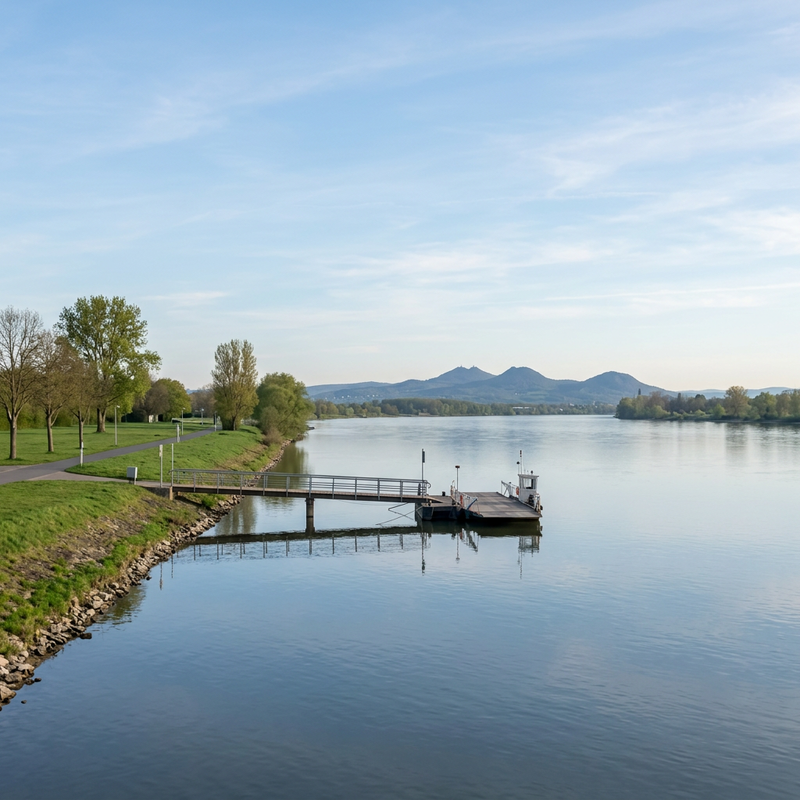
The ferry service at the Niederdollendorf ferry terminal offers a bustling, direct route across the Rhine, connecting Bonn with the Siebengebirge. Regular crossings depart from here, providing visitors with quick access to the waterfront promenades and a relaxing alternative to walking across the bridges. The Siebengebirge forms a striking silhouette along the riverbank, and from the ferry, you can often catch your first glimpse of the Drachenfels, Petersberg, and the Waldhälften. The route takes you across calm stretches of water and can be easily combined with a stroll along Bonn’s Rhine embankment, where cafés, boutiques, and small art venues invite you to plan a relaxing day. Travelers appreciate the short travel time, which helps avoid the crowds at Citybus stops while also offering direct connections to Panoramapark. Whether in summer weather or autumn light, the experience lies in seeing the river valley from a peaceful vantage point: The ferry serves as a gateway to one of the most charming landscapes along the Rhine. This makes the ferry crossing a welcome introduction to Bonn’s riverside scenery. The ferry terminal is peacefully situated between residential areas and nature, ideal for a short walk before or after the ride. Visitors enjoy the views and riverside paths that make exploring the Siebengebirge easy. The ferry offers accessible entry and regular departures, ensuring that even spontaneous trips stay well-planned. For families with children, the Rhine is a safe playground, and that’s where photo stops along the promenades begin.
From the Bastei to the Panorama Park—the most beautiful views of the Rhine
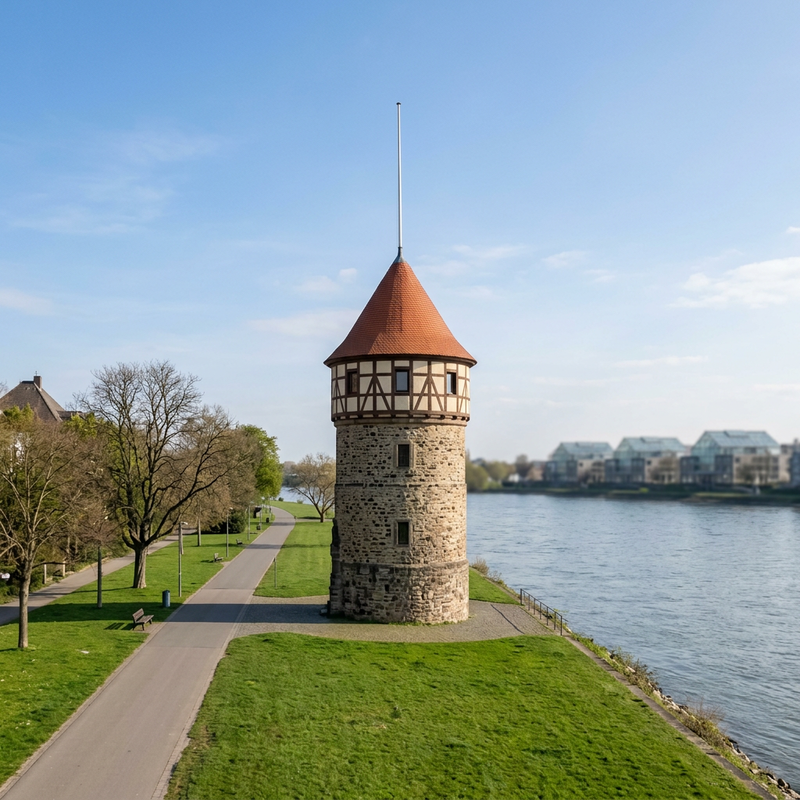
From the Bastei to Panoramapark—a journey of discovery along the Rhine in Bonn that reveals tranquil islands, lively riverside paths, and breathtaking views. Starting from the natural rock formations of the Bastei route, the path winds leisurely through green promenades, past terrace cafés and romantic bridges. Along the Bastei route, visitors discover gentle inclines, a leisurely pace, and views that unfold like scenes from a movie over the water. Further south, the path leads to the new attraction, Panoramapark, whose glass roofs and lookout points lend the Rhine clean, crisp lines. Between boat docks and vineyards, spontaneous panoramas alternate: the opening slopes, the open sky, and the reflections on the river turn every step into a brief sequence of light. Those who prefer to be active can choose a ferry route and cross the current to enjoy additional perspectives on the opposite bank. On the banks of the Rhine, culture, landscape, and city life converge: the charm of the promenade, modern panoramic buildings, and historic structures come together to form a cohesive sensory journey. This is what makes Bonn unforgettable—when the promenade and the Panoramic Park are reflected in the water, and the day draws to a close with a peaceful sunset. Along the way, visitors discover cozy spots, modern architecture along the riverbank, short boat tours, and a glimpse into the history of Bonn, a city that is reimagining itself.
Kennedyallee and Rheinaue – Museums, Parks, and Bonn’s American Quarter

Kennedyallee and the Rheinaue in southern Bonn connect historic sites with green recreational areas. In this area, often described as an “urban experience boulevard,” locals and visitors mingle on two wheels or on foot, moving back and forth between museums, theaters, and cozy cafés. The museums along the river offer insights into art, history, and the natural sciences, while the banks of the Rheinaue serve as a green lung, stretching across vast green spaces, small lakes, and rows of trees. Families will find picnic areas, rowing courses, water features, and peaceful paths that lend the city a relaxed atmosphere. The Rheinaue also serves as a starting point for walks toward the American Quarter, whose streets—lined with historic buildings, international restaurants, and small shops—reflect Bonn’s cosmopolitan flair. The district has the feel of an international neighborhood and blends historic architecture with modern gathering spots, so you can always take a break at a café, bar, or art gallery. If you’d like to learn more about the city’s history, pay a visit to the nearby American Quarter and continue strolling to the museums located in the city center or along the riverbank. Taken together, the combination of the Rheinaue and the bustling Kennedyallee makes for a compact exploration tour: Parks, art, science, and the lively neighborhood weave together into a harmonious Bonn experience that’s easy to explore by city bus and reveals new facets in every season. Those seeking even more nature can stay by the water and follow the riverside path, which is lined with daisies and shady trees in the spring. In the evening, lanterns bathe the paths in warm light, and occasional open-air events in the parks transform Kennedyallee into a vibrant open-air stage. The proximity to the river makes boat tours possible, and small exhibitions are occasionally held on riverboats. Dining options in the American Quarter range from rustic pubs to brasseries, so you can easily stop for a bite after a tour of the museums. Enjoy.
The American Quarter, the Rheinaue, and Church Architecture
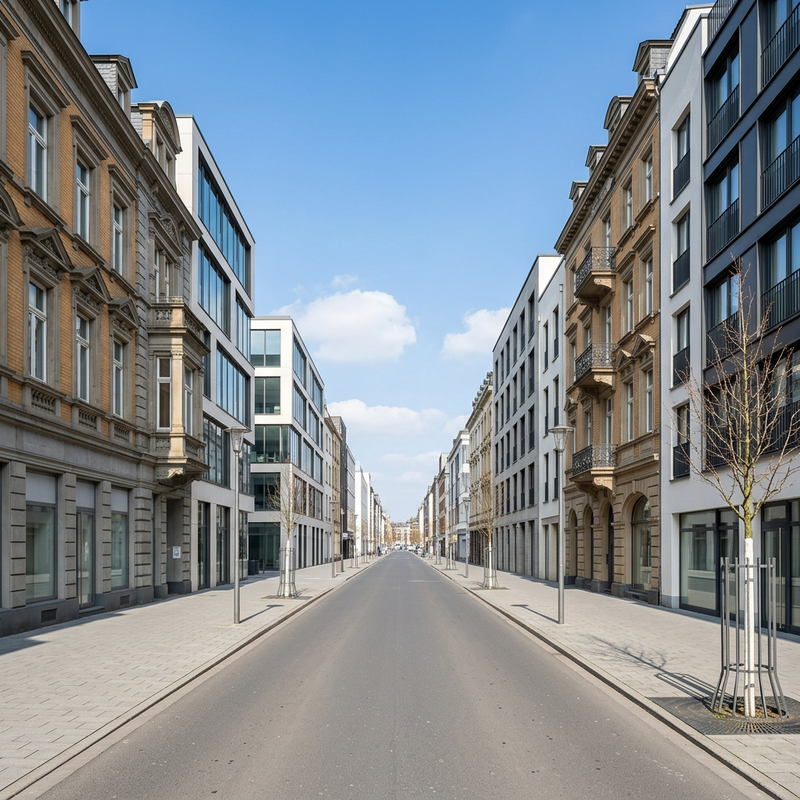
In Bonn, the American Quarter blends the city’s main thoroughfares with historical elements that evoke the postwar era. The neighborhood captivates visitors with its wide boulevards, tree-lined streets, and a vibrant mix of residential and commercial areas. The Rhine, Kennedyallee as the central axis, and the surrounding streets give the neighborhood its own distinct identity. Visitors can enjoy international cuisine, small galleries, and architectural landmarks ranging from modern facades to neoclassical details. The nearby Rheinaue park area offers relaxation in all seasons, walks along the Rhine, boat tours, and green spaces that attract families as well as athletes. Within the city, Bonn’s church architecture vividly demonstrates how religious architecture expresses diversity: ceiling paintings in historic hall churches alongside contemporary chapels that bear their own distinct character. What unites them is that the American Quarter, depicted on city maps as a modern urban district, serves as a bridge between history and the present. Anyone planning a trip through Bonn should explore Kennedyallee, the Rheinaue, and Kirchenstraßen on foot or by bus, as this is where culture, recreation, and architectural style come together to form a multifaceted panorama. The Citybus stops around Kennedyallee, Rheinaue, and the church district connect the attractions and make spontaneous discovery tours easy. This route is therefore ideal for explorers, families, and culture enthusiasts who want to experience Bonn on foot or by bus.
The Deutsches Museum Bonn and the History of Technology
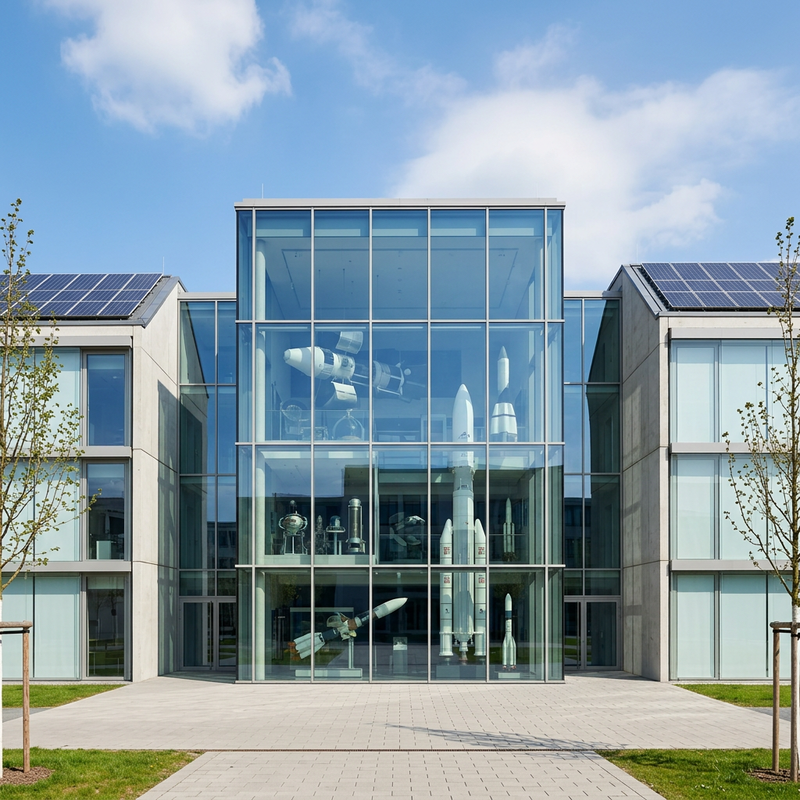
The Deutsches Museum Bonn offers a vivid journey through the history of technology and its impact on society, the economy, and everyday life. The permanent exhibition illustrates how mechanical tools, measuring instruments, electricity, and communication have transformed our world. The museum, which closely follows the original concept of the “Great Museum of Technology,” takes visitors on a journey from fire, steam, and hydraulics all the way to digital technologies. It becomes clear that technological developments never arise in isolation but have been shaped through close interconnections with science, engineering, and educational institutions. Particularly impressive are the interactive stations where visitors can turn knobs, operate levers, or conduct small experiments; this brings the learning process to life. The history of technology is not presented here as a list of inventions, but as an ongoing dialogue: from the Industrial Revolution through the development of electricity to information technology and robotics. Visitors gain an understanding of how technologies are used in institutions, educational settings, and everyday life, and how responsibility, sustainability, and creativity are interconnected. This museum emphasizes that innovations should entail responsibility, respect cultural diversity, and promote access to knowledge. Furthermore, practical examples illustrate how mechanics, electronics, and data have been intertwined over time. The journey of discovery continues.
World Conference Center Bonn (WCCB) – International Politics on the Rhine, Bonn
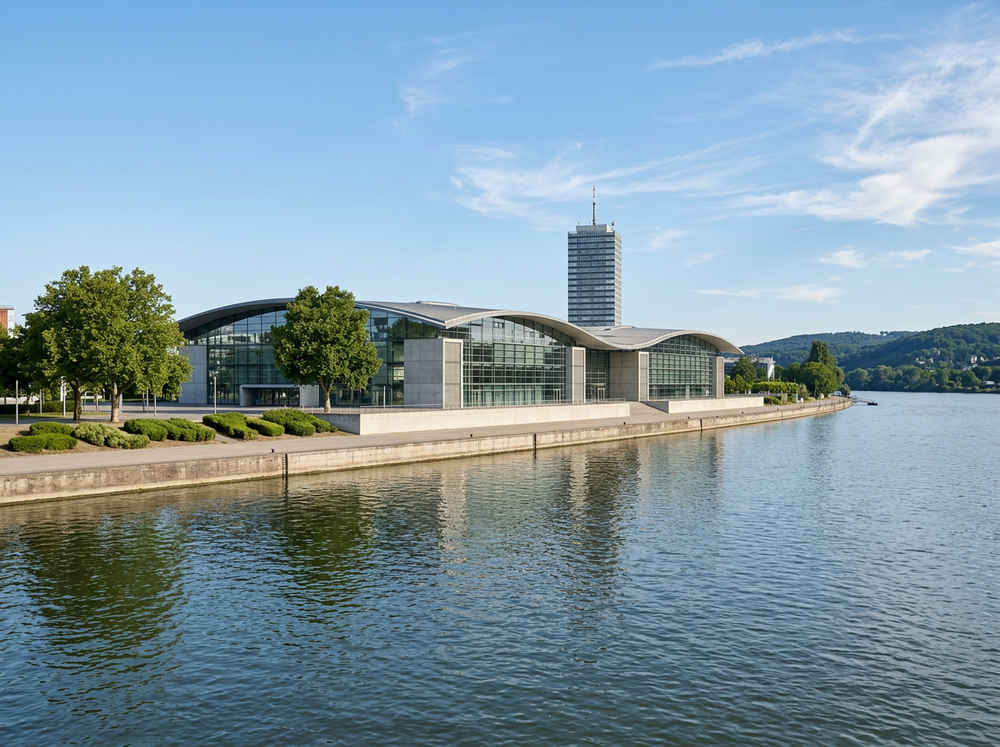
The World Conference Center Bonn (WCCB) presents itself as a contemporary venue on the banks of the Rhine that brings global politics to life along the river and reposition Bonn as a hub for global dialogue. As a flexible conference center, the WCCB brings together conferences, debates, diplomatic talks, and academic forums in bright, open spaces that foster collaboration, transparency, and networking. The architecture features clean lines, plenty of natural light, and clear wayfinding, enabling delegates, journalists, and visitors alike to connect with one another, exchange ideas, and build networks. Its location near the UN City links politics with international affairs and offers opportunities to discuss multilateral issues such as peace, security, sustainable development, and economic cooperation at a high level. In the surrounding area, it’s worth taking a detour to Bonn’s Museum Mile, where museums, galleries, and historical collections are concentrated in one compact area and invite visitors to find new inspiration after a conference. Furthermore, the Beethoven House in Bonn is a cultural highlight that brings the composer’s life and work to life and allows visitors to immerse themselves in the sound of the city. The Citybus routes around the WCCB make travel to and from the venue easy and connect it with other attractions as well as the banks of the Rhine. In this way, the WCCB becomes a public forum for discourse that unites national and international perspectives, and a symbol of Bonn’s role as a bridge between tradition and modernity along the river. Here, visitors experience how politics is put into practice when delegations from various nations come together to develop strategies for climate protection, trade, security, and global cooperation. The excellent Citybus connections allow for spontaneous trips to nearby landmarks, concerts, outdoor cafés, and parks in downtown Bonn, creating a holistic experience of politics, culture, and the Rhine landscape.
GOP, Marriott, and Karl-Carstens-Straße – Modern Entertainment and Hospitality
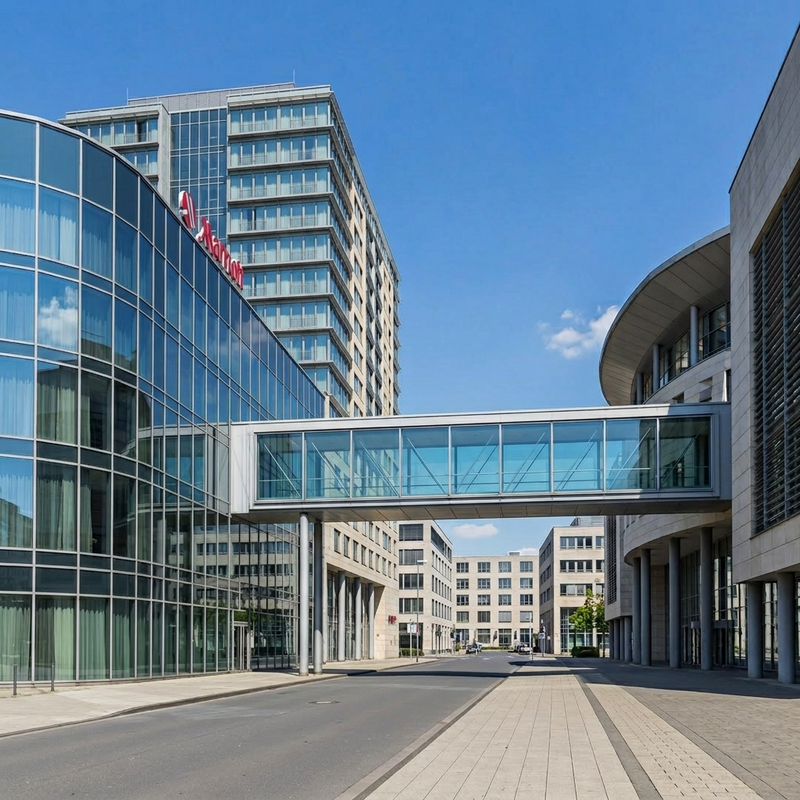
The Bonn location offers a promising combination of modern entertainment and high-quality hospitality along Karl-Carstens-Straße. In this setting, the GOP variety theater, the Marriott Hotel, and the direct connection to the World Conference Center Bonn (WCCB) play a central role. Visitors experience a contemporary form of cultural engagement here: spectacular entertainment, stylish restaurant and bar design, and comfortable accommodations. The GOP variety theater attracts foodies and festival-goers alike because it offers productions that go beyond mass tourism. At the same time, the nearby Marriott hotel provides an upscale atmosphere that appeals to business travelers as well as couples and families planning conference events in the metropolitan region. Karl-Carstens-Straße serves as a vibrant axis connecting the theater, conference complex, and hotel services. From here, political events, networking sessions, and cultural highlights can be conveniently combined. Bonn’s infrastructure enables short distances, accessibility, and a stylish ambiance all at once. In the long term, this integration enhances the appeal of the WCCB and the region as a destination for modern entertainment, international politics along the Rhine, and first-class hospitality. Together, these stakeholders form a shared network of experiences that positions Bonn as an innovative hub for culture, politics, and hospitality.
Federal Parliament Building, Langer Eugen, Posttower, and Deutsche Welle
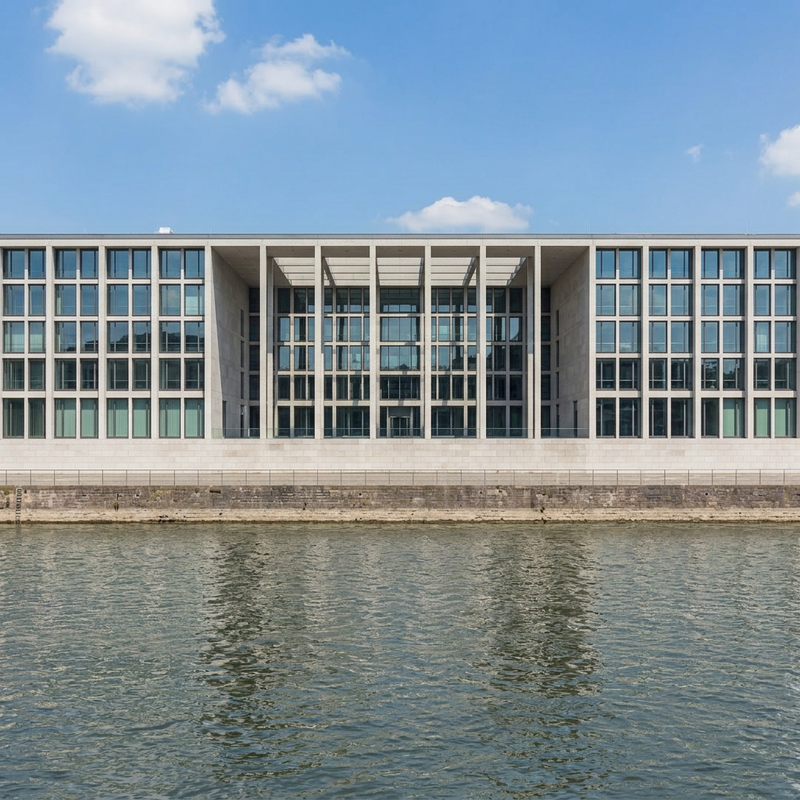
Four iconic landmarks along the Rhine in Bonn form a compact hub of global politics: the Bundeshaus, the Langer Eugen, the Posttower, and Deutsche Welle. Together with the World Conference Center Bonn (WCCB)—International Politics on the Rhine—they form a concentrated hub of international connections, media presence, and political history. The Bundeshaus commemorates the early years of the Federal Republic and stands as a symbol of the stable parliamentary foundation in western Germany. The Langer Eugen, once the UN headquarters in Bonn, shapes the cityscape with its height and steel façade, while the Posttower, as a modern communications center and corporate headquarters, embodies the digital economy. Deutsche Welle, meanwhile, stands for global news dissemination and cultural understanding. Visitors here experience the close connection between politics, media, and the city’s history: conferences, press seminars, views from rooftop terraces, and explorations along the banks of the Rhine. The close interconnection of these locations makes Bonn a vibrant hub of international politics, where impressive architecture, historical significance, and modern communication complement one another. This creates a vivid picture of the city in which political decisions, global reporting, and the city’s quality of life are directly interconnected—especially when the WCCB hosts conferences.
Adenauerallee and the König Museum – Bonn’s Boulevard of Democratic History
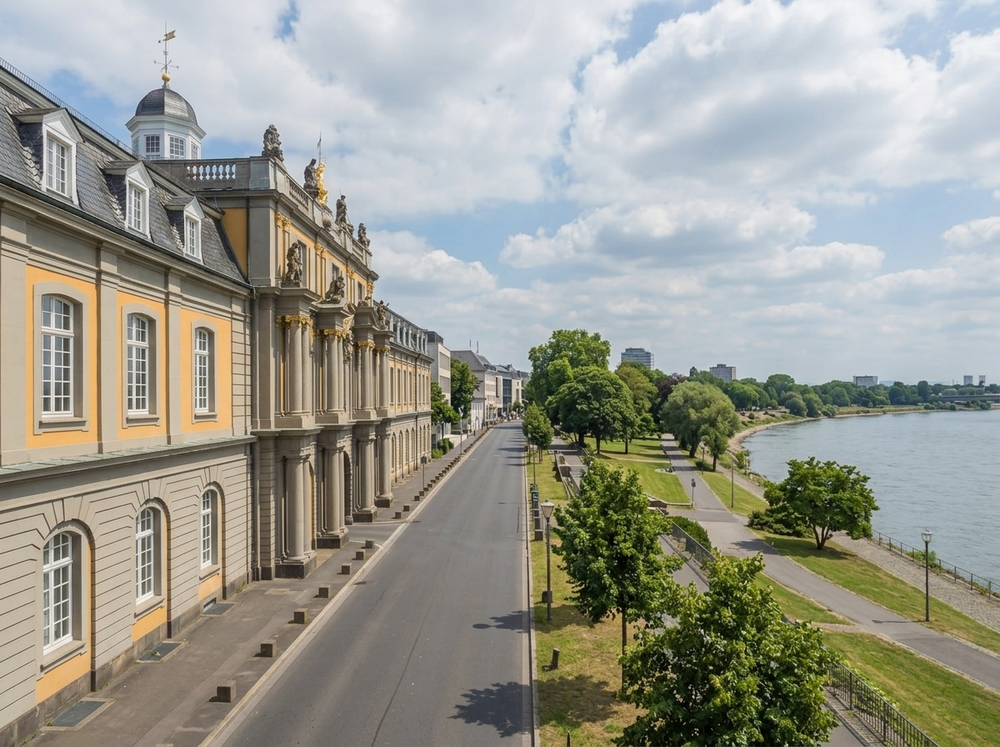
On a stroll through downtown Bonn, you follow Adenauerallee, a wide boulevard that links modernity with history. On the left, grand facades rise up; on the right, paved riverbanks frame the view of the Rhine and the city’s parks. At the start of the route lies the Museum König, an institution firmly rooted in the cityscape that displays natural history treasures in serene glass cases while also serving as a cultural hub for families. The museum symbolizes the interplay of science, education, and community engagement, as it makes knowledge tangible and invites discussion. From here, it’s just a few minutes’ walk to the Boulevard of Democratic History, an open space dedicated to remembrance that explores political turning points, voices from civil society, and the development of democracy in the region. Visitors discover interactive exhibits that illustrate participatory decision-making processes, elections, and civic engagement; in doing so, they experience how history remains alive when voices from the past and present come together. The route also offers convenient connections: The Citybus stops at stations leading to other highlights, allowing families, school groups, or individual travelers to easily move between culture, science, and the everyday history of North Rhine-Westphalia. In Bonn, such connections make for a compact orientation: Get off at Adenauerallee, follow the Museum Trail to the Museum König, and then immerse yourself in the dialogue of the city’s history, which continues along the Boulevard of Democratic History. Those who want to discover even more can plan to continue the tour toward the lake district or the museum quarter. The blend of architecture, education, and participatory remembrance makes Bonn a vibrant place of learning that sparks curiosity, encourages conversation, and fosters a sense of community even outside of opening hours. Visitors can learn more about the exhibition’s development during guided tours, while school groups use digital stations to compare historical documents. Accessibility, bike paths, and cozy street cafés make the walking tour an inclusive experience for young and old alike. This makes Bonn a place that is engaging, educational, and open to everyone.
The Chancellor's Bungalow, Villa Hammerschmidt, and the Konrad Adenauer Monument
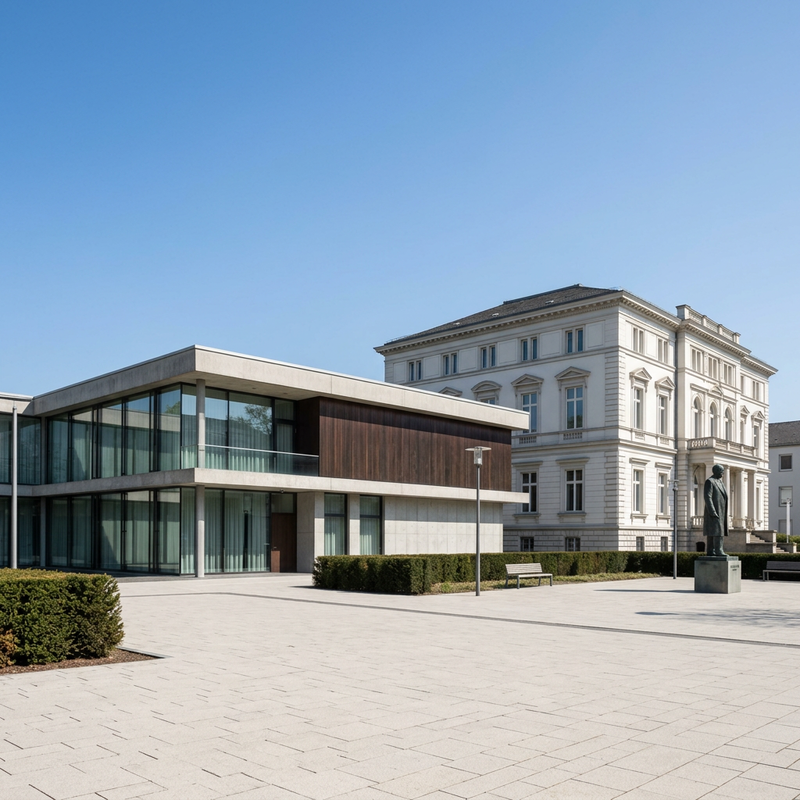
The Chancellor’s Bungalow, Villa Hammerschmidt, and the Konrad Adenauer Monument in Bonn’s government district reflect a close connection to Germany’s postwar and democratic history. The Chancellor’s Bungalow serves as the official residence and workplace of the Federal Chancellor, characterized by its sober, clean-lined architecture. Right next to it, Villa Hammerschmidt, the official residence of the Federal President, attracts visitors; its interiors reflect statehood, political culture, and civic history. The Konrad Adenauer Monument commemorates the first Federal Chancellor and symbolizes continuity, the reconstruction of West Germany, and a democratic constitutional order. In Bonn, the significance of these sites becomes clear when viewed in the context of the history of democracy: Here on the Rhine, political turning points, international relations, and the everyday implementation of constitutional values come together. The proximity of Citybus stops makes a visit convenient: stops within walking distance allow for a compact route through the government district. Visitors thus experience a concentrated journey through the government center, official representations, and sites of remembrance that bring the political side of Bonn to life. The Chancellor’s Bungalow and Villa Hammerschmidt embody a political culture in which the private sphere of office is intertwined with public duties. The monument serves as a place of remembrance for reconstruction, change, and cooperation between the federal government and the states. Visitors can look out over the government district and observe the connection between architecture and legislation.
König Museum – Natural History in a Historic Research Building
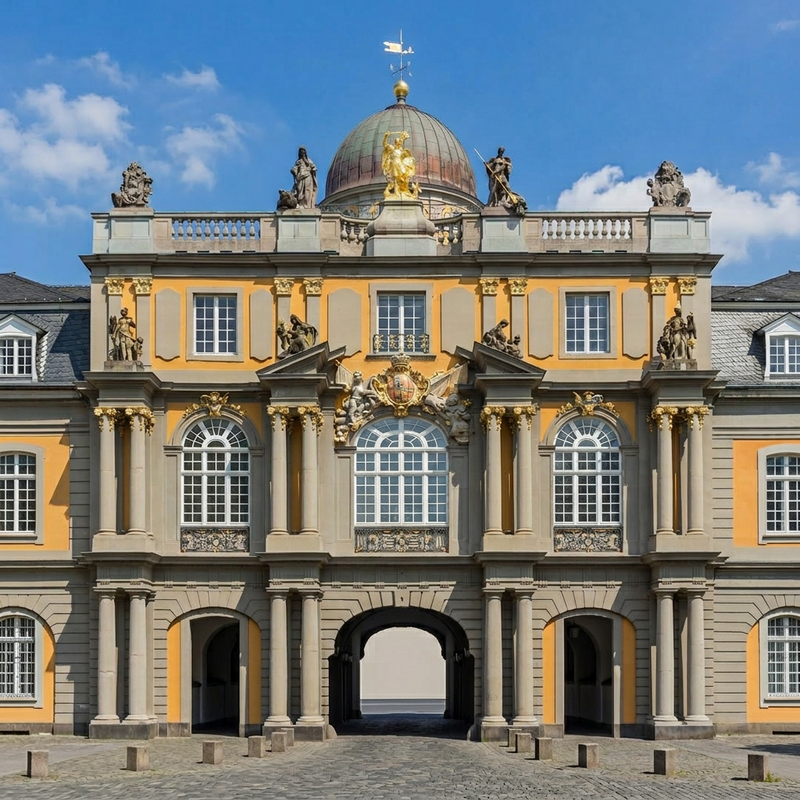
Located in the heart of Bonn is the Museum König site, a facility dedicated to the Museum König and natural history. The site is housed in a historic research building whose architecture reflects past scientific traditions. The facade and interior tell the story of an era when research at universities and museums was closely intertwined; this research building reflects this history through clean lines, spacious rooms, and striking details. The entrance area fosters a dialogue between history and the present: On display are taxidermy specimens, fossils, minerals, and interactive stations that invite visitors to linger. Visitors experience how natural history has revealed ecological relationships over millennia and how taxonomy, biogeography, and data collection work together here. The site serves as a bridge between science and the public and emphasizes its connection to Bonn’s city history. For travelers using the Citybus, this stop offers a central starting point from which to easily explore this hub of natural history research. Thus, a visit to the König Museum becomes a journey through time, research, and regional identity. In addition, visitors to the research building can attend lectures accompanying the exhibitions, gain insights into advances in paleontology, zoology, and ecology, and use interactive stations that bring the diversity of nature to life. A rewarding journey of discovery. The space also offers programs for school groups, guided tours, and digitized collection data that bring science to life.
Rheingasse and Brassert Ufer – Old Town charm between the Alter Zoll and the Beethovenhalle in Bonn
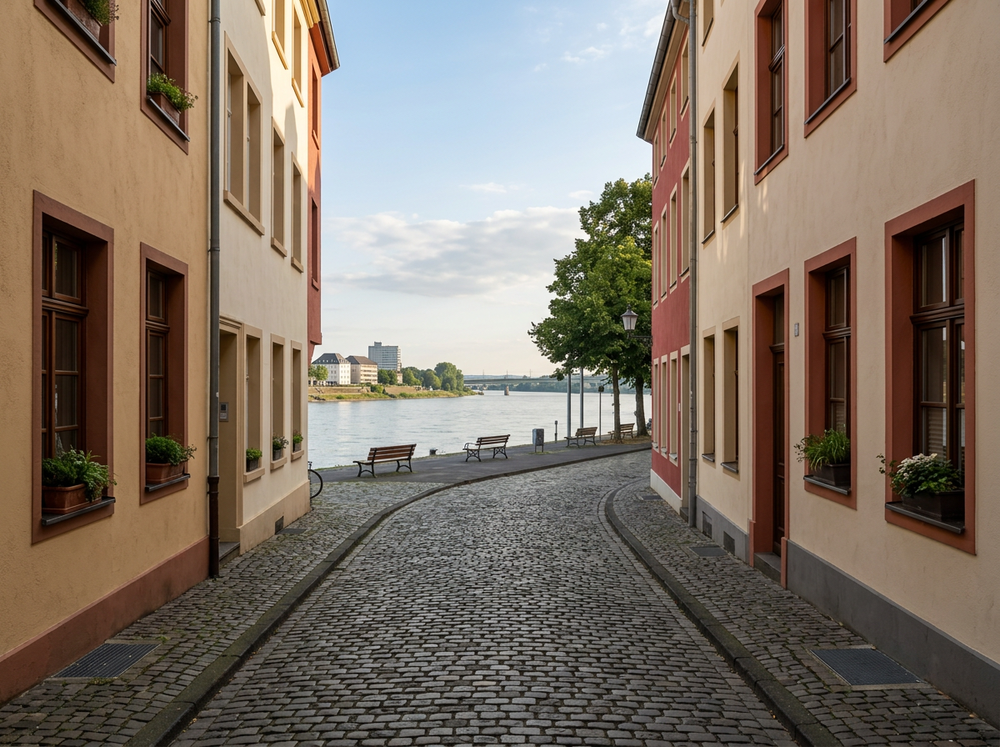
Rheingasse and the Brassert Ufer mark the heart of Bonn’s Old Town, blending historic charm with the pulse of the present. From the Alter Zoll to the Beethovenhalle, narrow alleys, cobblestone squares, and quiet riverside paths wind their way through the area, where you can feel the magic of centuries past as you stroll, while restaurants, boutiques, and small galleries bring a fresh energy to the scene. The alleys tell stories of merchants, artisans, and artists, whose traces can be seen in restored facades, colorful coats of arms, and old poster frames. Here you’ll find street cafés serving coffee, cake, and regional specialties, and you’ll hear the gentle lapping of the Rhine as it flows rhythmically through the city. The Brassert Ufer runs as a picturesque waterfront promenade, offering benches with views of the river and reflections of the sky that grow more vivid in the evening hours. Between the Alter Zoll and the Beethovenhalle, there’s a variety of places to linger: a historic rotunda with a fountain, an elegant bookstore, a small music stage where readings or concerts are occasionally held, and a square frequented by students and families alike. You can feel this old-town charm everywhere: in the restored facades, in the lovingly tended gardens behind the houses, and near the riverside paths that gently lead into the experience. Visitors experience the blend of culture, proximity to museums, and urban life that makes Bonn so endearing. The proximity to theaters, museums, the Rhine, and the lively pub scene makes the area perfect for an evening stroll or a relaxed afternoon. The area is accessible, well-signposted, and can be easily explored on foot or reached by city bus, which stops at Alter Zoll and Beethovenhalle. In this way, Bonn’s Old Town becomes a vibrant stage where history, art, and a zest for life come together.
Theater, Opera, Beethovenhalle, and Boat Landing
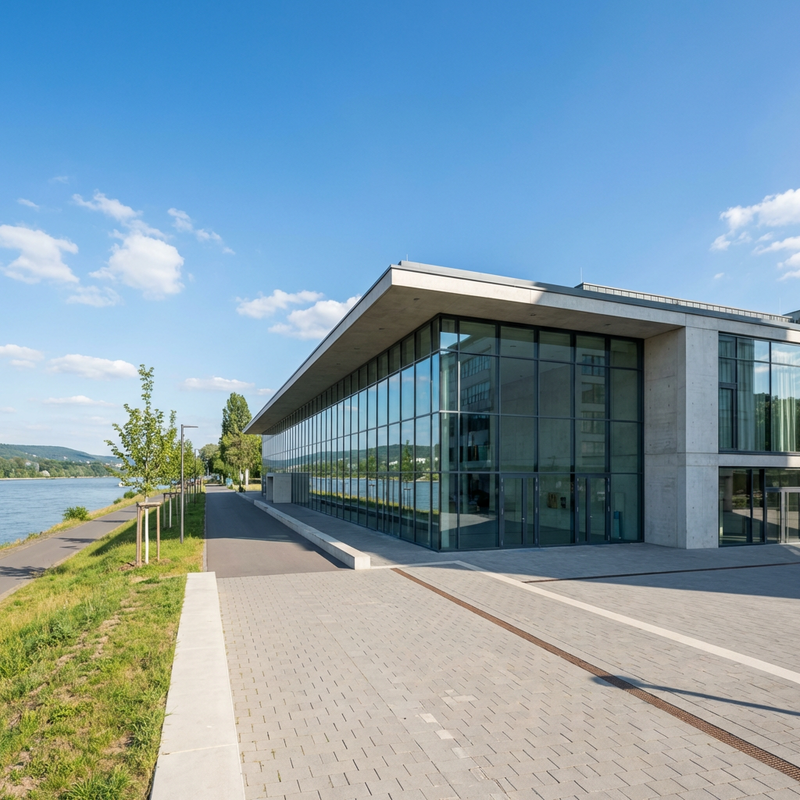
Bonn’s cultural district offers a rich and diverse array of cultural experiences—including theater, opera, and contemporary music—that fascinates art lovers alike. Theaters present compact productions, stage classics, and innovative reinterpretations, while the opera impresses with lavish arias, well-thought-out staging concepts, and outstanding voices. The Beethovenhalle, an architecturally striking building on the riverbank, serves as a versatile venue for symphonies, guest performances, and chamber music concerts, lending the city center a distinctive soundscape. From the Rhine promenade, a leisurely stroll leads to the boat landing, from which elegant boats enliven the riverside landscape and allow visitors to admire the historic facades. Here, water, music, and urban life blend into the Old Town’s distinctive charm, brought to life by narrow alleys, street cafés, and small performance spaces. Between events, cafés and museums invite visitors to take short breaks, and occasional guided tours of the Beethovenhalle offer a glimpse behind the scenes. The result is a thoroughly harmonious cultural route that links Bonn’s theater and concert life with the rhythm of the river and the historic city center, allowing visitors to experience the city as a major cultural hub of the region. Visitors discover new details with every visit—from the acoustics to the lighting—and experience Bonn as a living stage.
Old Customs House, Stadtgarten, and Hofgarten – Historic Green Spaces Along the Rhine
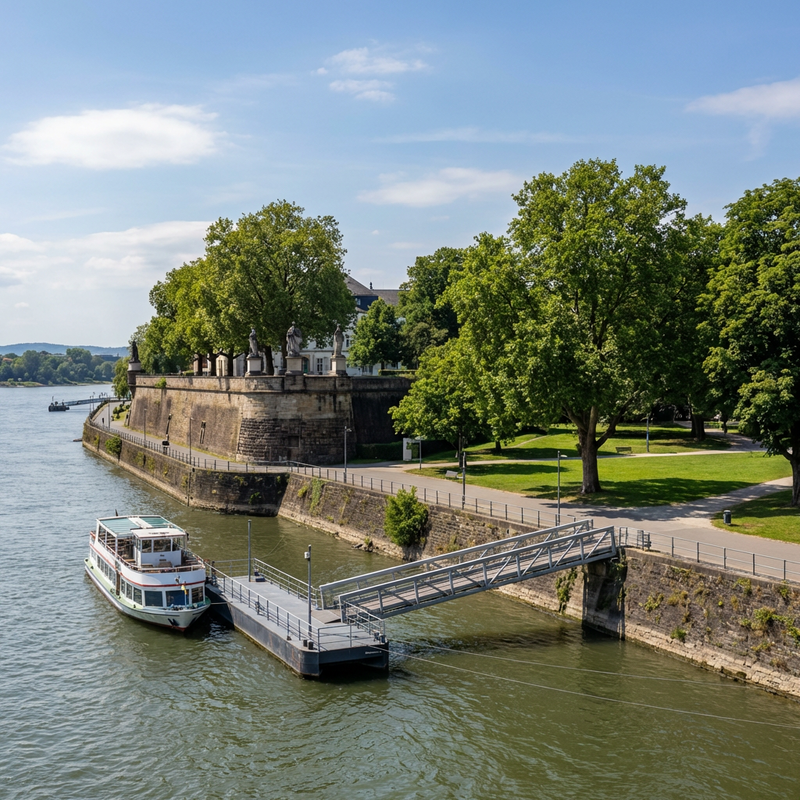
The Old Customs House at the pier and along the waterfront promenade near the Old Town tells the story of trade, customs, and the Rhine. Today, it connects the historic harbor with contemporary views of the river. This area is home to two green oases: the Stadtgarten and the Hofgarten, which are just a few steps apart and offer a place for tranquility and reflection. Both parks are the result of centuries of urban development and feature historic plantings, shade-providing trees, and paths that connect old and new elements of Bonn. The Stadtgarten captivates with its clean lines, neoclassical seating areas, and a relaxed rhythm to its flower beds, while the Hofgarten lies hidden behind historic facades and exudes an intimate atmosphere. Strolling along the banks of the Rhine, you’ll encounter sightlines that weave together the charm of the Old Town, the sounds of music from the riverfront, and occasional exhibitions. Visitors discover traces of the city’s history in both places: former customs pavilions, historic staircases, views from bridges, and gardens that change as the light of day shifts. Anyone who experiences Bonn’s city center will recognize how the green spaces along the Rhine contribute to the city’s identity while also offering space for relaxation, picnicking, and short exploratory walks. In this way, the Alter Zoll becomes more than just a place—it becomes a living symbol of historic green spaces along the Rhine. Here, visitors encounter local markets, informative signage, and quiet seating areas where they can linger.
FAQ
The most convenient way is by city bus using the hop-on/hop-off system: A ticket is valid for 24 hours and allows you to get on and off as often as you like at all stops, such as the Beethoven House, the Museum Mile, or in Bad Godesberg. Headphones are available on board to provide background information on each stop.
Adults pay €24; with the Bonn Regio Welcome Card, the price is €20.40. Children ages 4 to 14 pay €5 (maximum of two children per full-price ticket holder); school groups pay €12 upon prior registration by phone. One accompanying person for individuals with a "B" severe disability ID card rides for free.
Varies by season: in January, only on Saturdays; in February and March, Friday through Sunday; from April through early November, daily; and in November/December, again only Friday through Sunday. Departures are at 10:30 a.m., 1:00 p.m., and 3:30 p.m.; from April through October, there are additional departures on Saturdays at 11:30 a.m., 2:00 p.m., and 4:30 p.m.
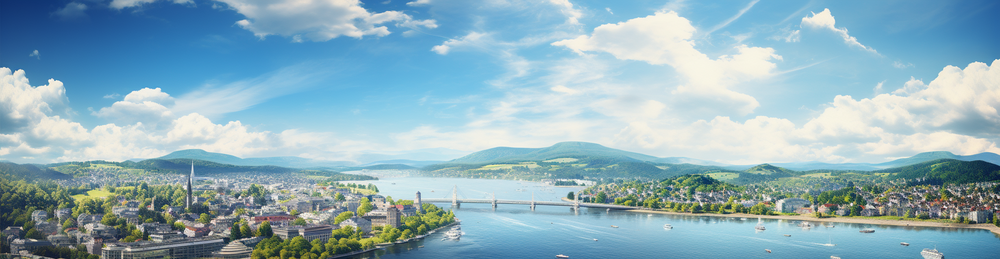
Bonn Cathedral
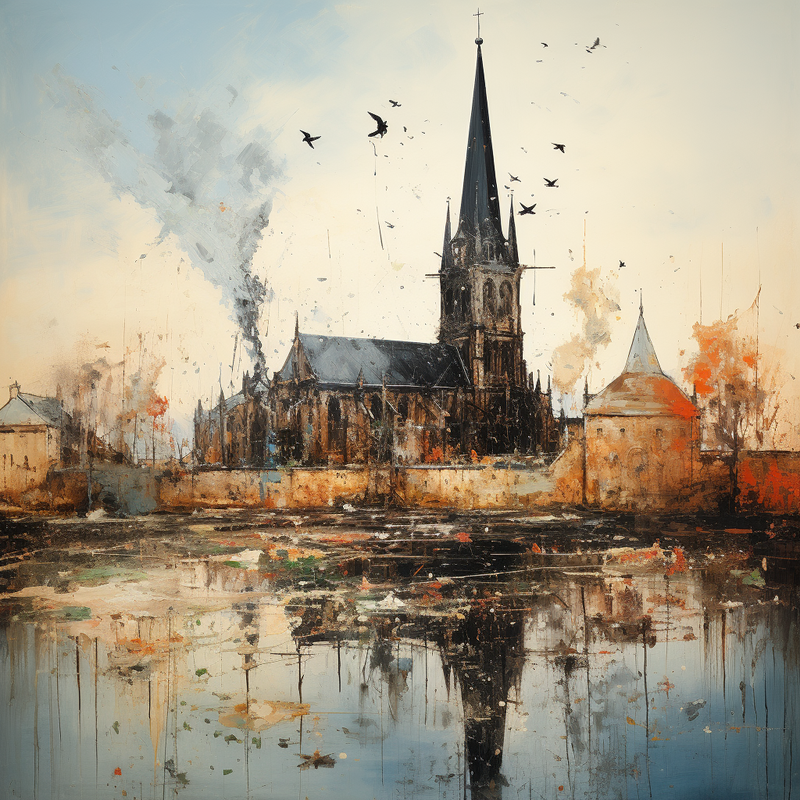
Bonn Cathedral is one of the oldest churches in Germany and one of Bonn’s most striking landmarks in North Rhine-Westphalia. The church’s founding is attributed to Saints Cassius and Florentius, Roman soldiers who were executed in the third century for their Christian faith. The original building was constructed between the 11th and 13th centuries and combines Romanesque and Gothic architectural elements. During excavations, archaeologists uncovered the remains of a Roman burial ground as well as an early Christian church. Medieval murals can still be admired inside the church today. Bonn Cathedral is therefore not only a place of worship but also a site steeped in history, closely linked to the development of the city of Bonn.
Rhineland State Museum
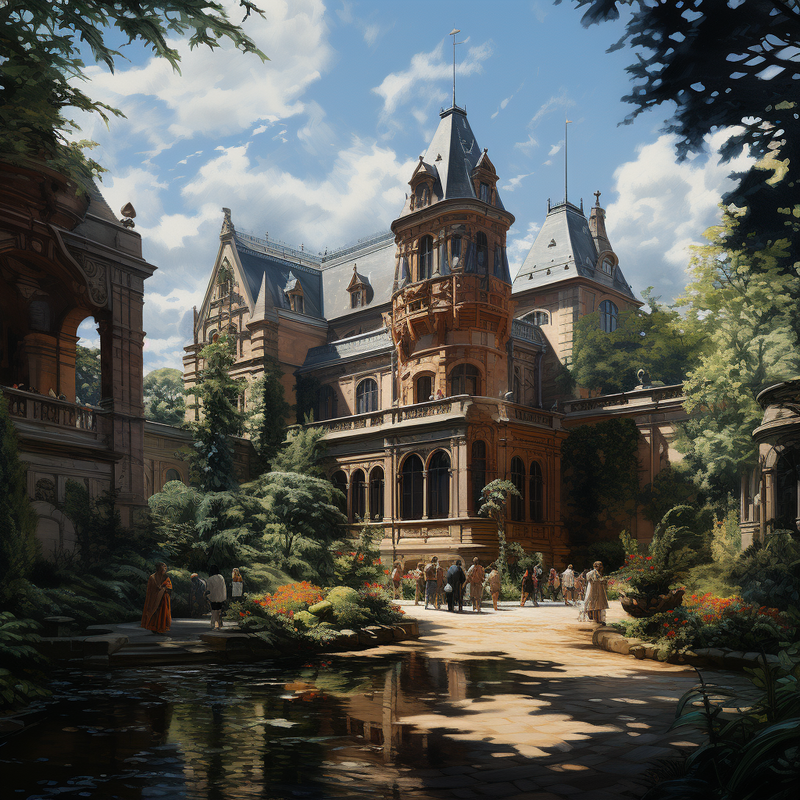
The Rheinisches Landesmuseum Bonn is considered the oldest museum in North Rhine-Westphalia and was founded in 1820. It houses a remarkable collection of artifacts dating from prehistoric times to the Middle Ages.
The prehistoric section features colorful artifacts from the Roman era, including the world-famous Dionysus mosaic and the Poblicius tombstone. The medieval collection showcases fascinating objects such as the ceiling painting from Charlemagne’s villa in Niederpleis.
Of particular note are the archaeological excavations, which bring the region’s past to life and provide numerous important insights into human development and history.
Beethoven House
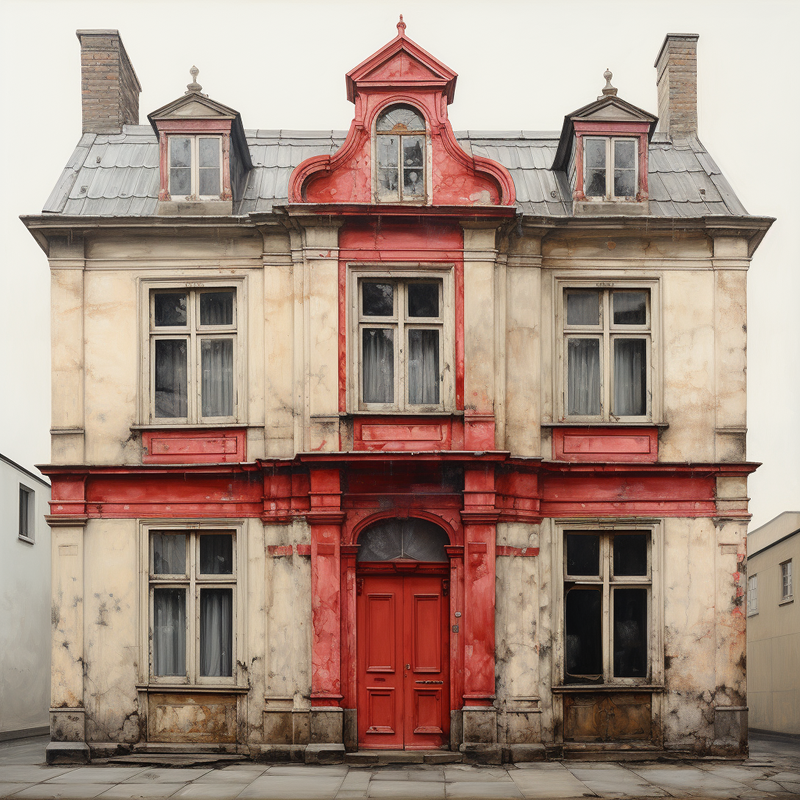
The Beethoven House in Bonn, North Rhine-Westphalia, is considered the birthplace of the legendary composer Ludwig van Beethoven. It was built in the 18th century and is now a renowned museum. The original structure of the house has been largely preserved and offers an authentic glimpse into life during Beethoven’s time. The museum displays numerous artifacts from Beethoven’s life, including original manuscripts, musical instruments, and personal belongings. Since 1999, the Beethoven House has been owned by the Beethoven House Association, which is dedicated to preserving Beethoven’s legacy and promoting scholarly research.
The Economy in Bonn
Bonn is a city in North Rhine-Westphalia, Germany, and is characterized by a diverse economy. It is known internationally primarily for its leading role in politics and as the seat of numerous ministries, government agencies, and institutions. At the same time, Bonn has significant strengths in the fields of technology, services, and tourism. Bonn plays a central role in international politics. As the former capital of the Federal Republic of Germany, the city is home to a large number of ministries, federal agencies, and international organizations. These include, among others, the Federal Ministry for Economic Affairs and Energy, the Federal Ministry for Economic Cooperation and Development, the Federal Office for Information Security, and the United Nations. These public institutions not only ensure economic stability for Bonn, but they also create numerous jobs and attract skilled professionals from around the world. In addition, a dynamic technology industry is developing in Bonn. The city is home to numerous research and development institutes specializing in fields such as renewable energy, information and communication technologies, and environmental technology. One example is the German Aerospace Center (DLR), which is based in Bonn and works on innovative projects in aerospace. Bonn also has a strong presence in the service sector. The city is a major financial center with many banks, insurance companies, and investment firms. In addition, a wide range of consulting and legal services are offered in Bonn. Tourism also plays an important role in Bonn. The city boasts a rich cultural and historical heritage, including the Beethoven House, where the composer Ludwig van Beethoven was born. Visitors from all over the world come to Bonn to explore these historic sites and attend cultural events. The tourism sector creates jobs in the hospitality, food service, and leisure industries. Bonn also has a vibrant retail scene. The city offers shopping centers and specialty stores that provide a wide range of products and services. Retail strengthens the local economy and creates jobs in sales and distribution. Overall, Bonn boasts a diverse and dynamic economic structure. Its status as Germany’s political center contributes to stability, while a strong presence in technology, services, tourism, and retail shapes the city’s economic profile. Bonn thus offers a broad spectrum of career opportunities and contributes to the region’s economic development.
The History of Bonn
Bonn is located in North Rhine-Westphalia, Germany, on the banks of the Rhine. From 1949 to 1990, the city served as the capital of the Federal Republic of Germany. However, Bonn’s roots stretch far back into the past. The first settlements in the region were established as early as the Stone Age. During the Roman Empire, Bonn was known as Bonna. The city was of great importance and benefited from its advantageous location on the Rhine. The Romans built a fortress to defend the empire. The remains of the fortress can still be seen and visited today. After the fall of the Roman Empire, Bonn lost its importance. It was raided and ravaged by Germanic tribes. It was not until the 11th century that life returned to Bonn, and the city developed into a thriving commercial hub. In the 13th century, Bonn was granted city rights and became a center of trade and culture. In the 18th century, Bonn became the residence of the Electoral House of Cologne. The Electoral Palace, now part of the university, was built during this period. Under electoral rule, Bonn expanded into a magnificent city with numerous splendid buildings. In the 19th century, Bonn became part of the Kingdom of Prussia. During this time, the city grew, and new neighborhoods and streets were laid out. Bonn developed into a center for science and education. In 1818, the Rheinische Friedrich-Wilhelms-Universität was founded; today it is one of Germany’s most prestigious universities. After the end of World War I and the collapse of the German Empire, Bonn temporarily served as the capital of the Weimar Republic. However, this role came to an end with the rise of the National Socialists in 1933. After World War II, Bonn became the provisional capital of Germany. It was there that the foundations of the Federal Republic of Germany were laid, and initially, government affairs were conducted in Bonn. The city experienced a remarkable economic boom, and many new government buildings were constructed. In 1990, Bonn lost its status as the capital to Berlin but remained an important location for the federal government. Numerous ministries and government agencies remained in Bonn, and the city retained its reputation as an international conference destination. Today, Bonn presents itself as a modern city with a vibrant cultural scene and a renowned university. The historic old town, with its narrow alleys and old houses, invites visitors to linger. The Rhine and the Siebengebirge offer numerous recreational opportunities. Bonn’s history is closely linked to Germany’s development. From a Roman fortress to a medieval trading city to the capital of the Federal Republic of Germany, Bonn has undergone many transformations and has become an important chapter in German history.